UK


















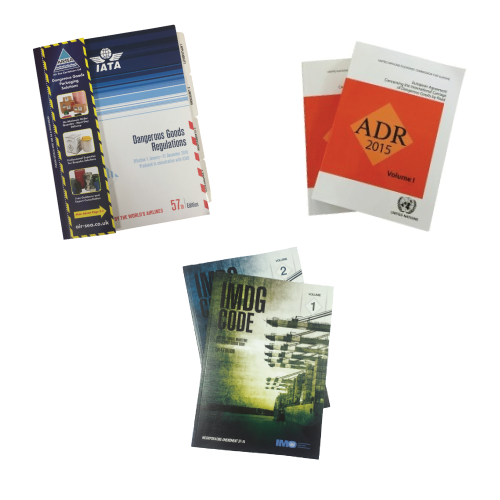

Corrosive substances are classified as Class 8 dangerous goods under the regulations governing the transport of dangerous goods. The regulations differ per mode of transport and are updated on an annual or biannual basis. When corrosive substances are transported by road under ADR, they must be classified, packaged, marked, labelled and documented according to the requirements applicable to the specific substance.
Choosing the right corrosive packaging is therefore about more than selecting a container that will physically hold the product. The packaging must be suitable for the substance, the quantity/volume being transported and the applicable packing requirements.
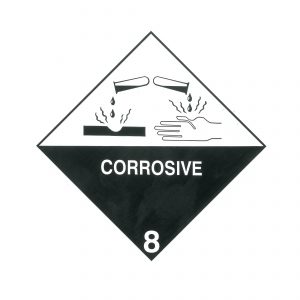
What are Class 8 corrosive substances?
Class 8 covers substances and articles that can cause damage to living tissue by chemical action or, in some circumstances, cause significant corrosion of materials.
Common examples include:
- Acids
- Amines
- Battery fluid
- Caustic substances
- Hydrochloric acid
- Polyamines
- Sulphuric acid
Corrosive substances can be liquids or solids. Corrosives can also have sub hazards for example Acetic acid, glacial which is class 8 (3) corrosives with a flammable liquid sub hazard.
The precise classification of a substance determines how it must be packaged for transport.
What is corrosive packaging?
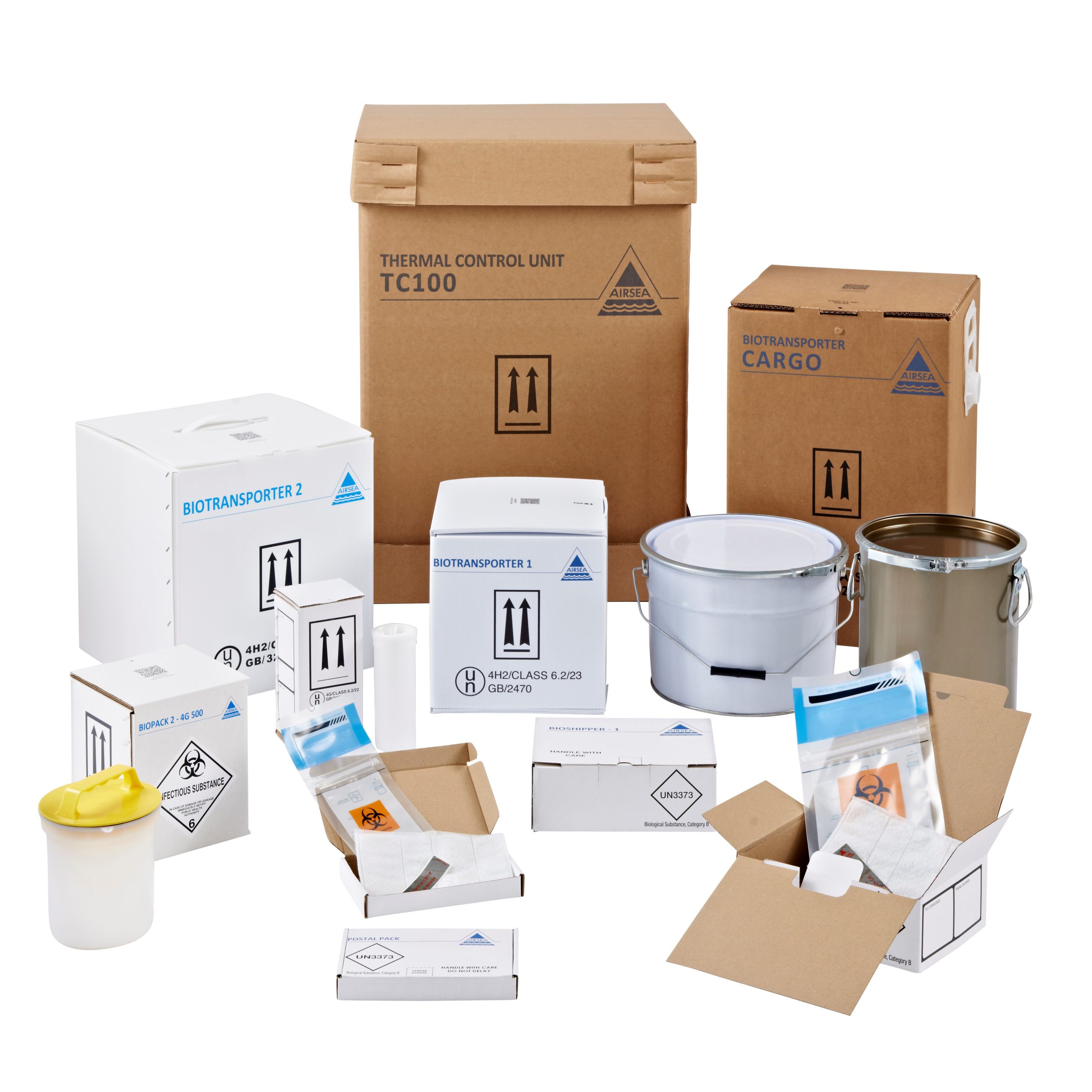
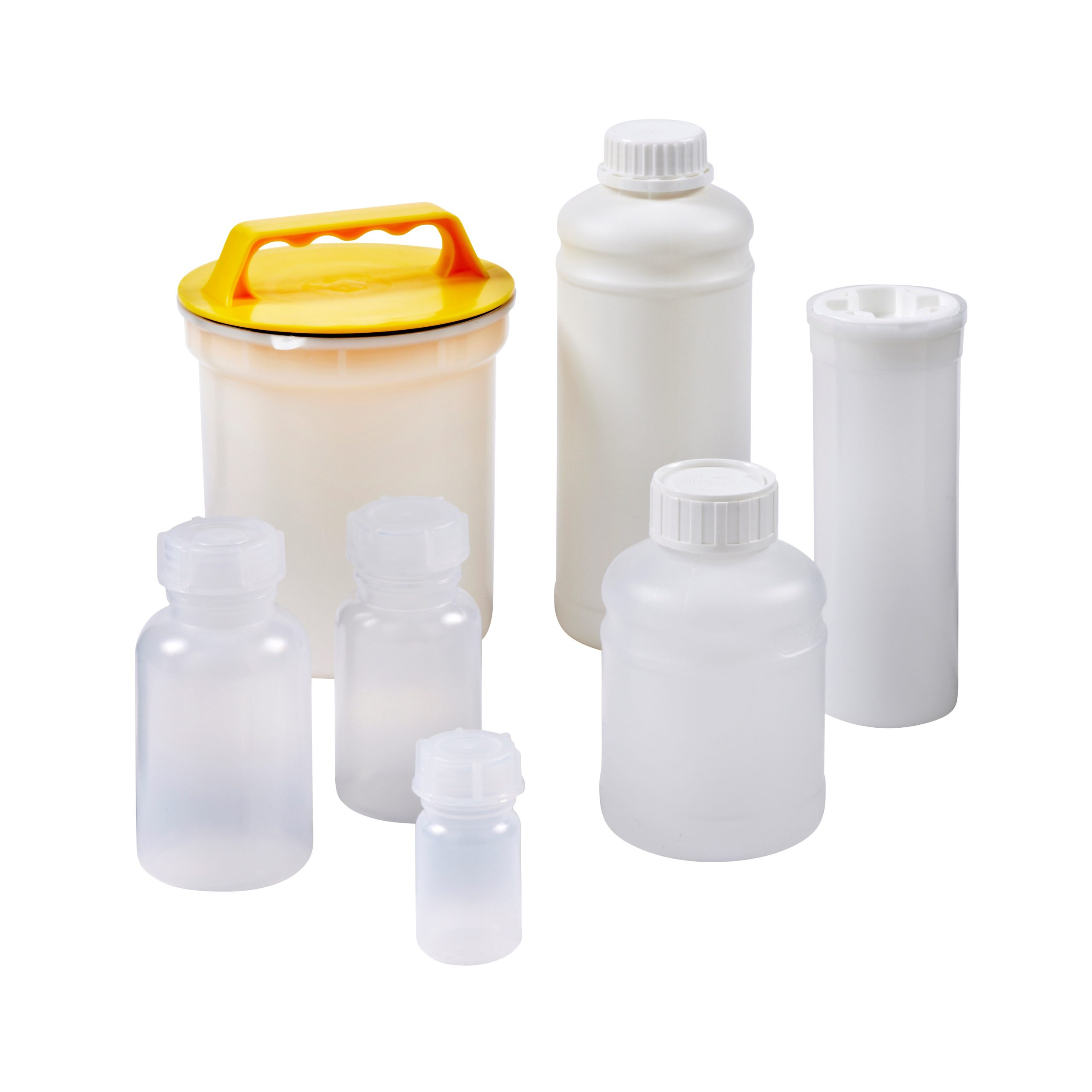
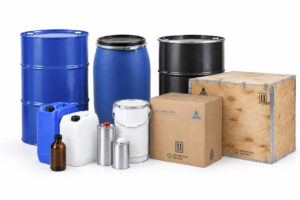
Packaging which has been UN approved to transport dangerous goods. Depending on the substance and applicable packing instruction, this can include:
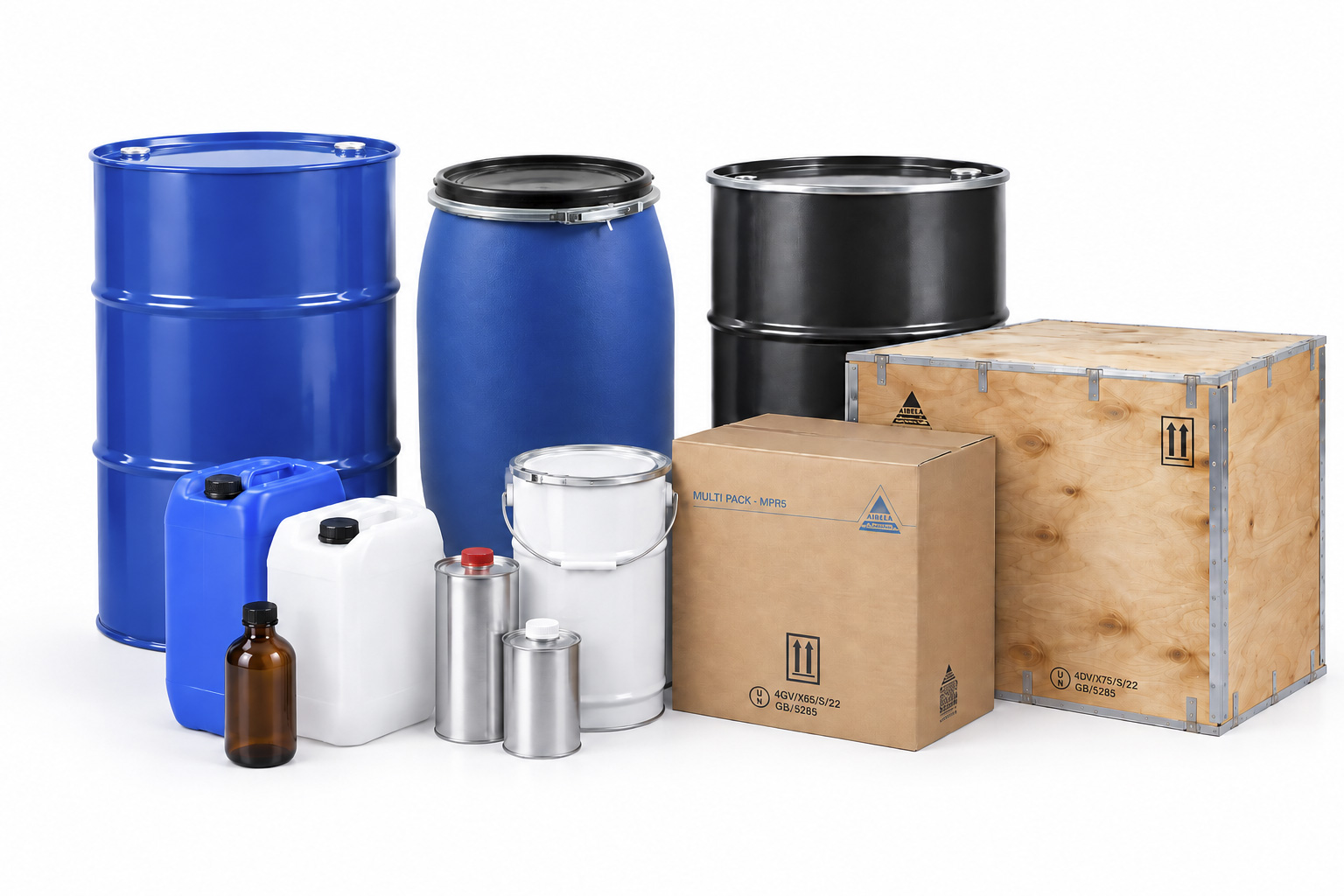
Combination packaging
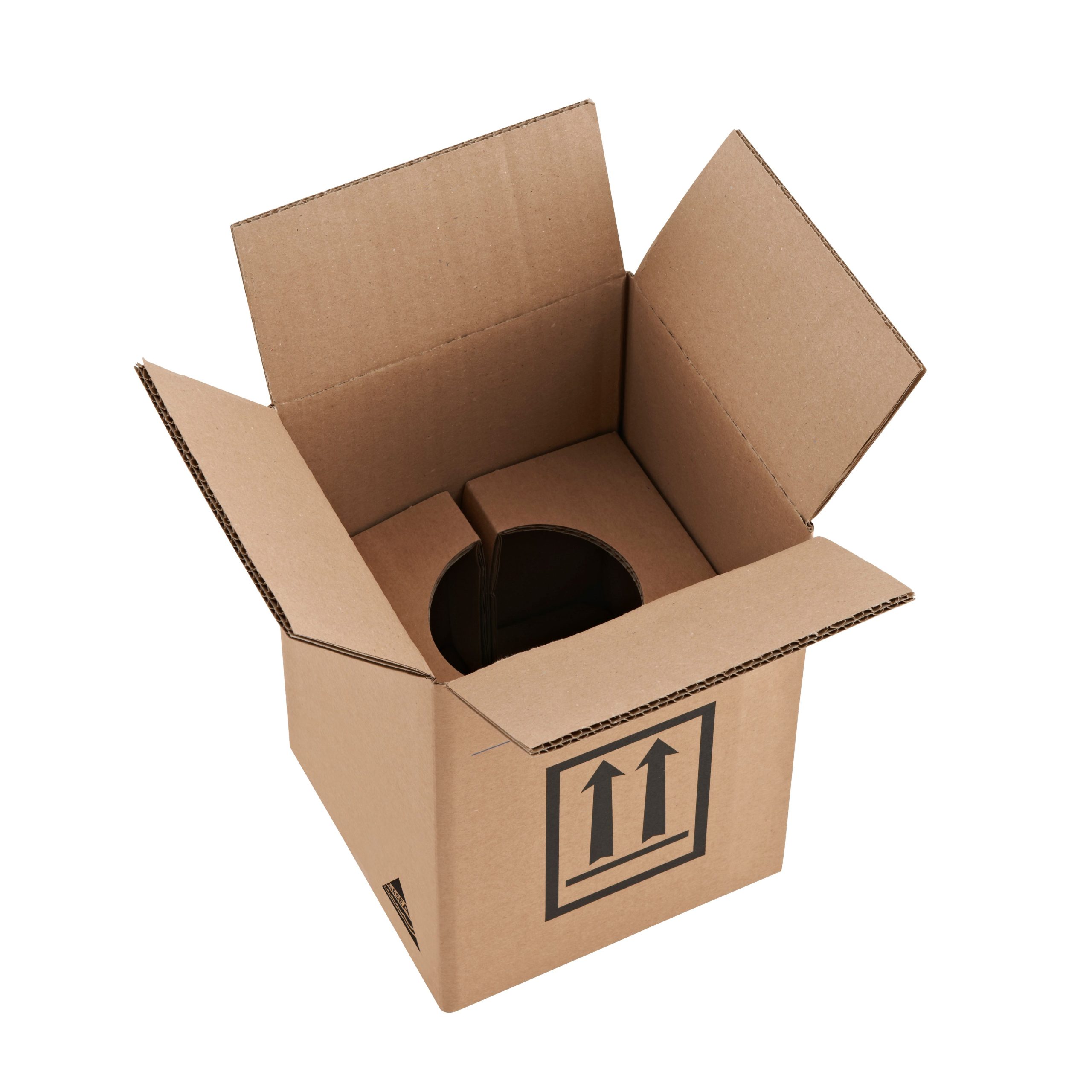
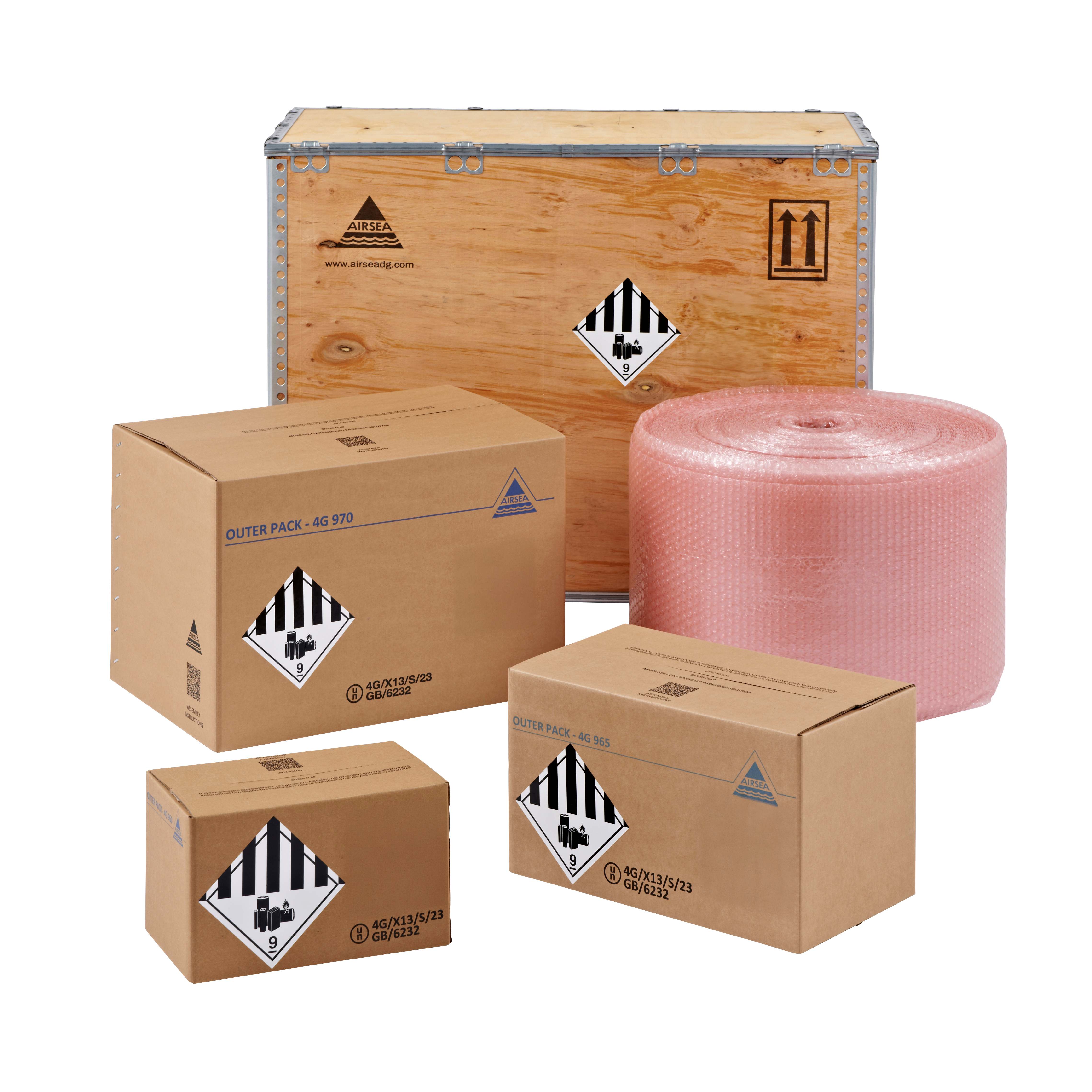
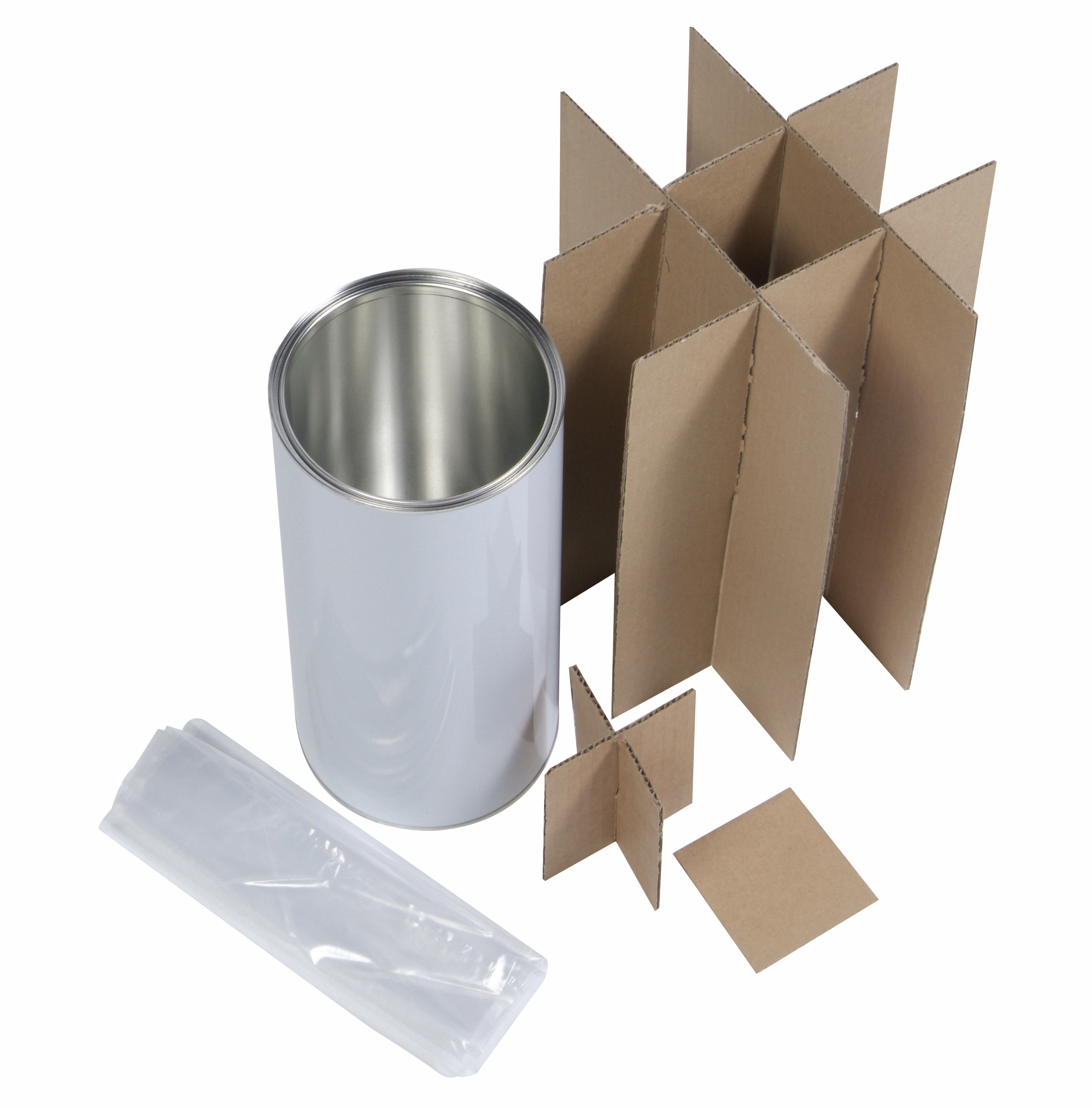
Combination packaging consists of one or more inner packagings placed inside an UN approved outer packaging.
Examples include:
- Glass bottles inside fibreboard or plywood outer packaging
- Plastic containers inside fibreboard or plywood outer packaging
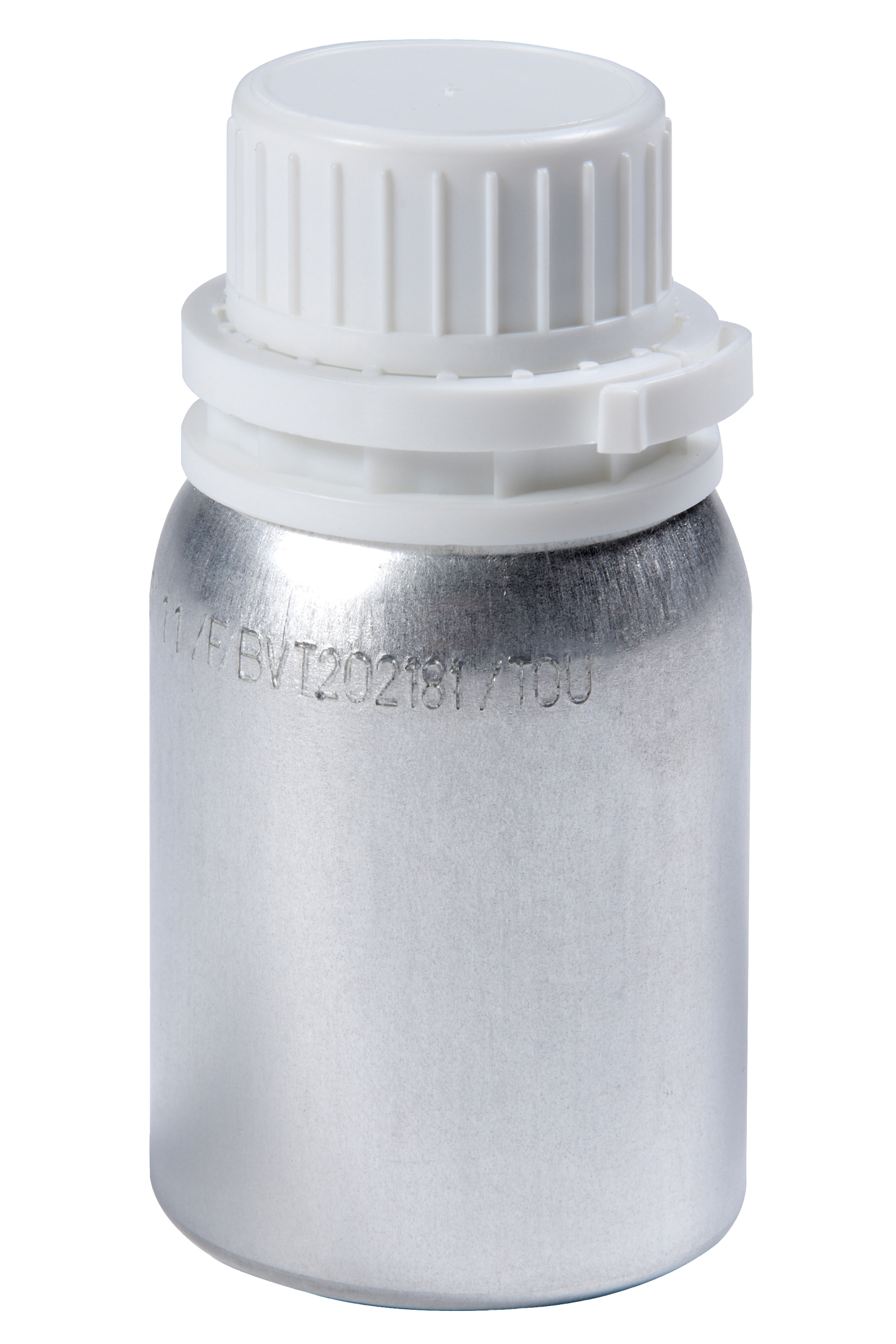
- Metal inner packagings inside fibreboard or plywood outer packaging
Combination packaging can provide additional protection around the inner container during transport.
For example, a glass bottle containing a corrosive liquid may require an outer packaging with suitable cushioning or absorbent material to protect the inner packaging and contain leakage in accordance with the applicable packing requirements.
Single packaging
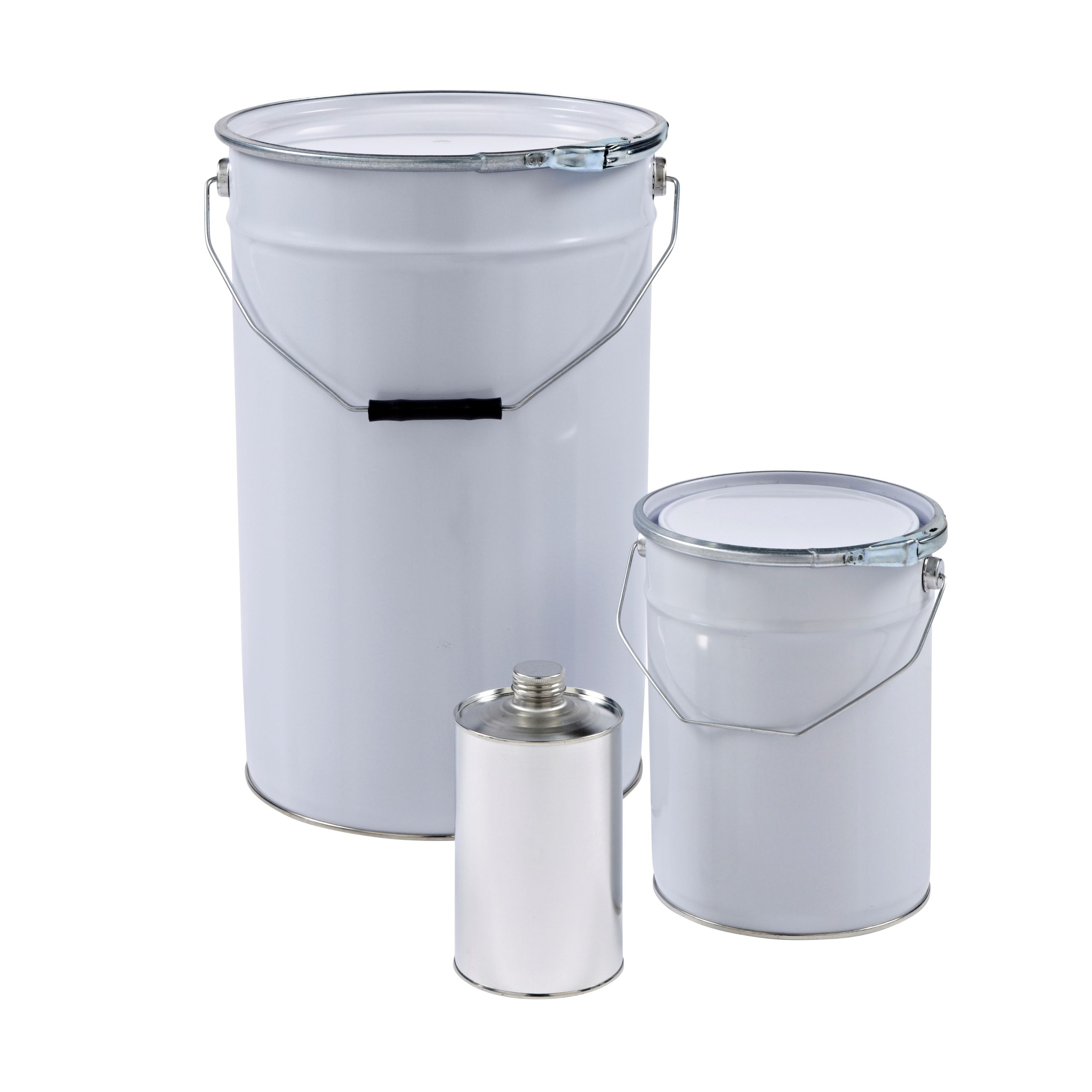
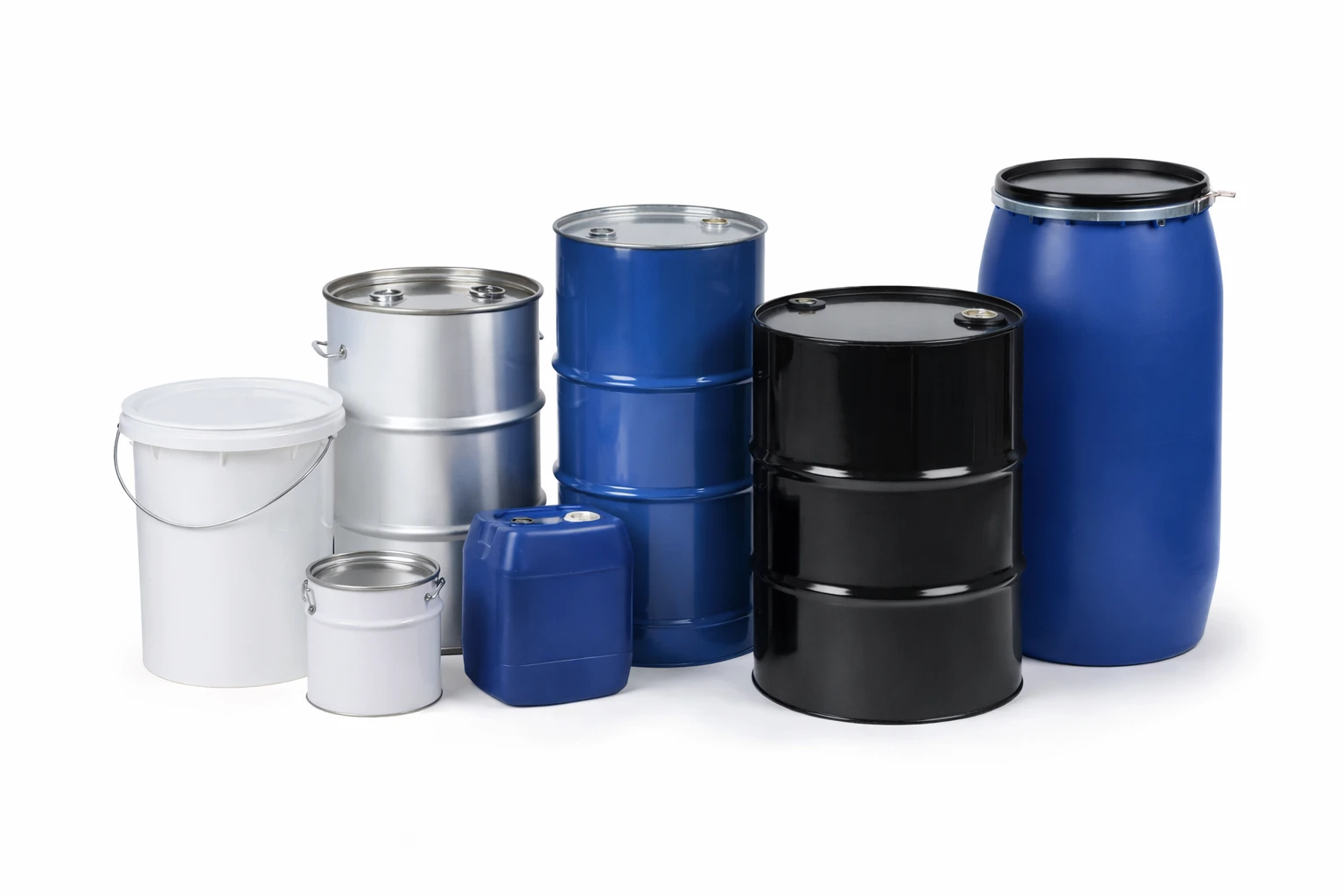
Single packagings contain the dangerous substance directly within the UN packaging without an additional inner packaging.
Examples include:
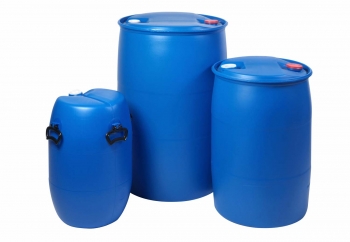
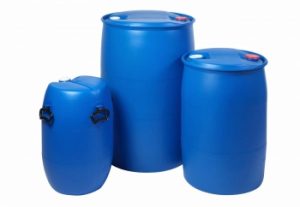
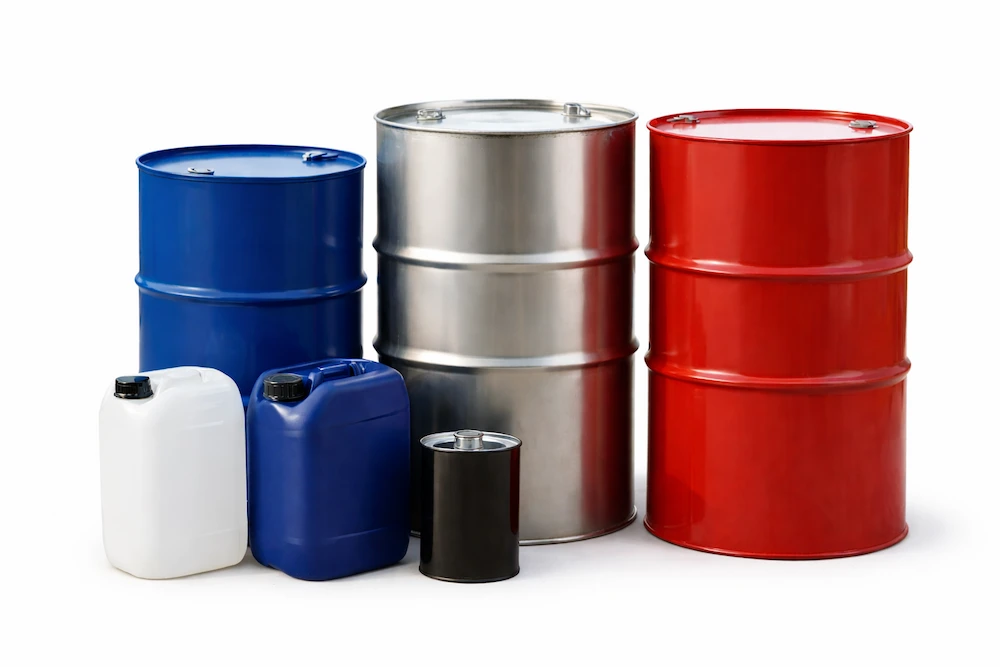
- UN plastic jerricans
- UN plastic drums
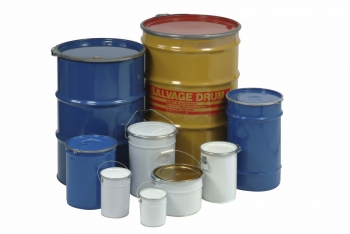
- UN steel drums
- UN steel jerricans
- Composite drums
The fact that a packaging is UN approved does not automatically mean it can be used for every corrosive substance. The UN packaging specification, performance level, material compatibility and the requirements of the relevant packing instruction must all be considered.
Why is UN approved packaging important?
Most dangerous goods require packaging that has successfully undergone the applicable UN performance tests.
These tests are intended to assess the ability of packaging to withstand conditions associated with transport.
Depending on the packaging type, testing can include:
- Drop tests
- Stack test
- Pressure
- Leakage
- Cobb tests
- Other applicable performance requirements
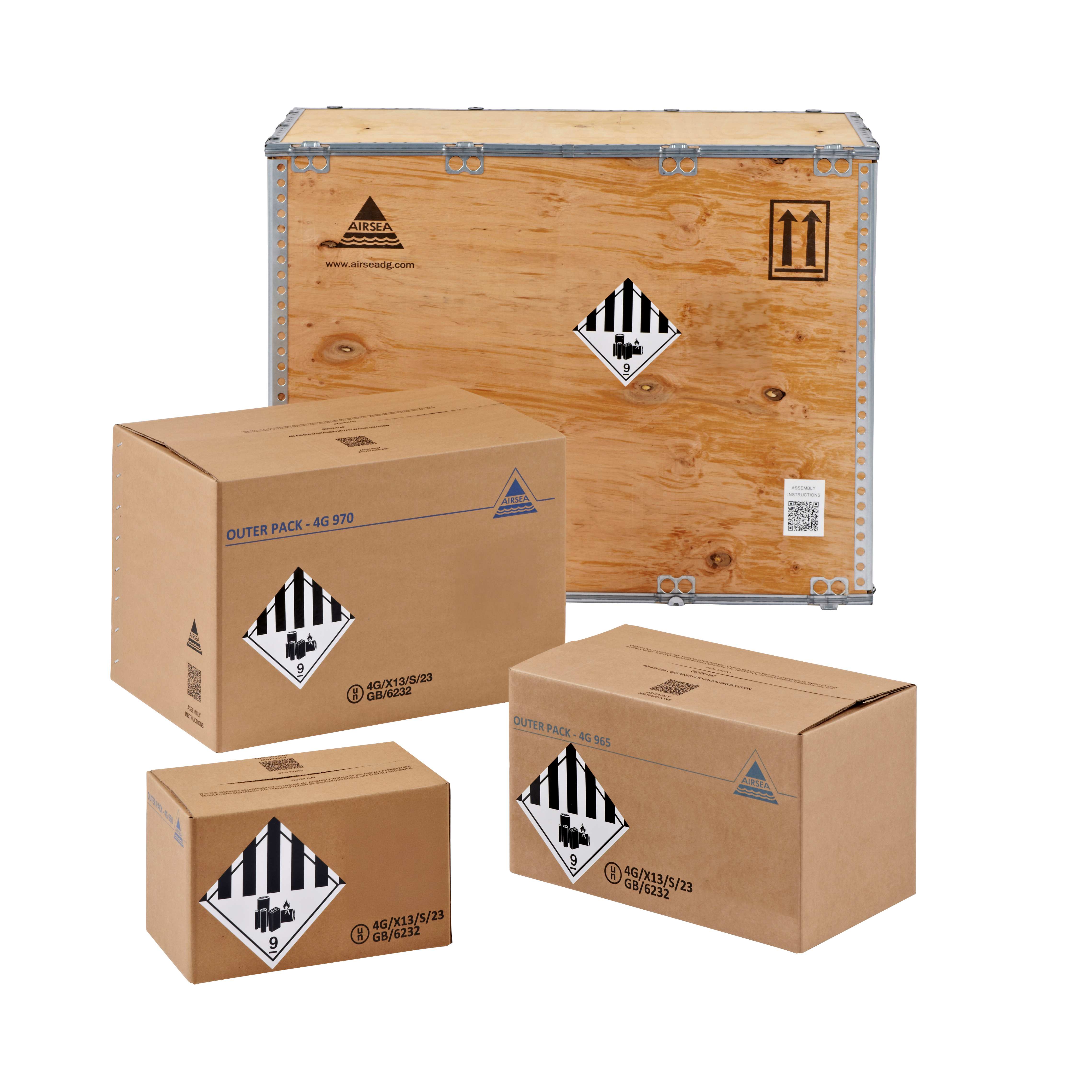
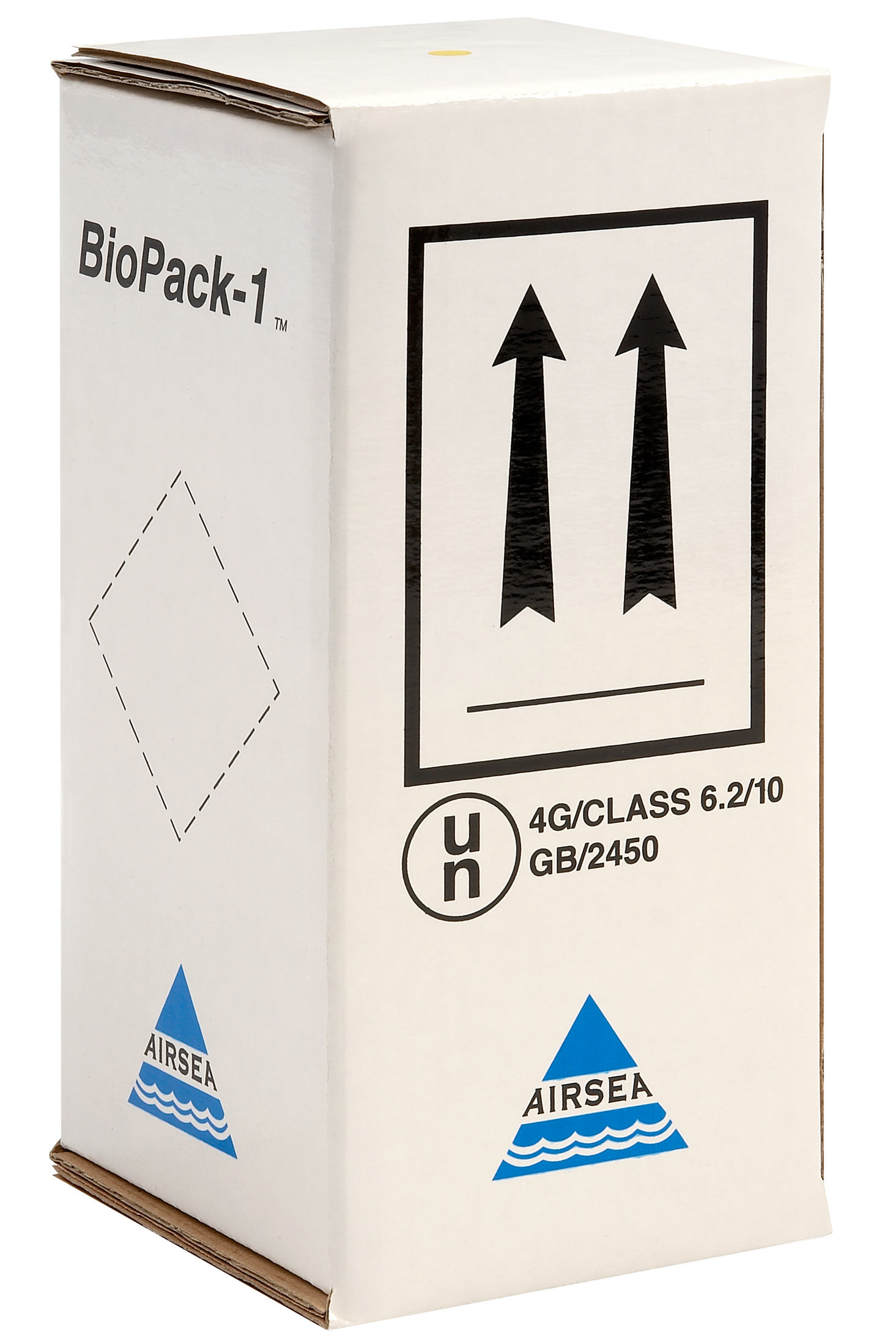
A UN mark identifies important information about the packaging, including its packaging type, material, performance level and other approval information. Further information can be found on the test certificate.,
Does all Class 8 packaging work for every corrosive?
No.
This is one of the most important points when selecting corrosive packaging.
The appropriate packaging depends on factors including:
- UN number
- Proper shipping name
- Whether the substance is liquid or solid
- Packing Group
- Quantity
- Packaging type
- Chemical compatibility
- Any applicable special packing provisions
For example, ADR packing instruction P001 covers certain dangerous goods transported as liquids, but the Dangerous Goods List determines which packing instruction applies to an individual substance.
What should I check before choosing corrosive packaging?
Before selecting packaging, identify:
- The UN number
The UN number identifies the dangerous substance or article for transport purposes.
- The Packing Group
Where assigned, Packing Groups I, II and III indicate the degree of danger presented by the substance.
- The physical state
Check whether the substance is being transported as a liquid or solid.
- Refer to the packing instruction
The applicable packing instruction specifies which packaging types are permitted, weight restrictions and any relevant conditions.
- Material compatibility
The packaging material must be suitable for contact with the particular corrosive substance.
Finding the right Class 8 packaging
Air Sea Containers supplies a range of UN approved packaging for compatible dangerous goods, including combination and single packaging options.
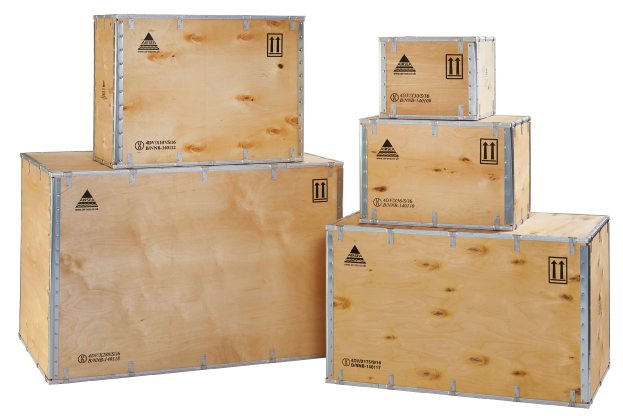
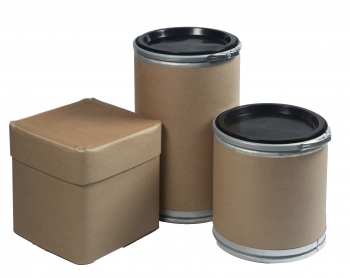
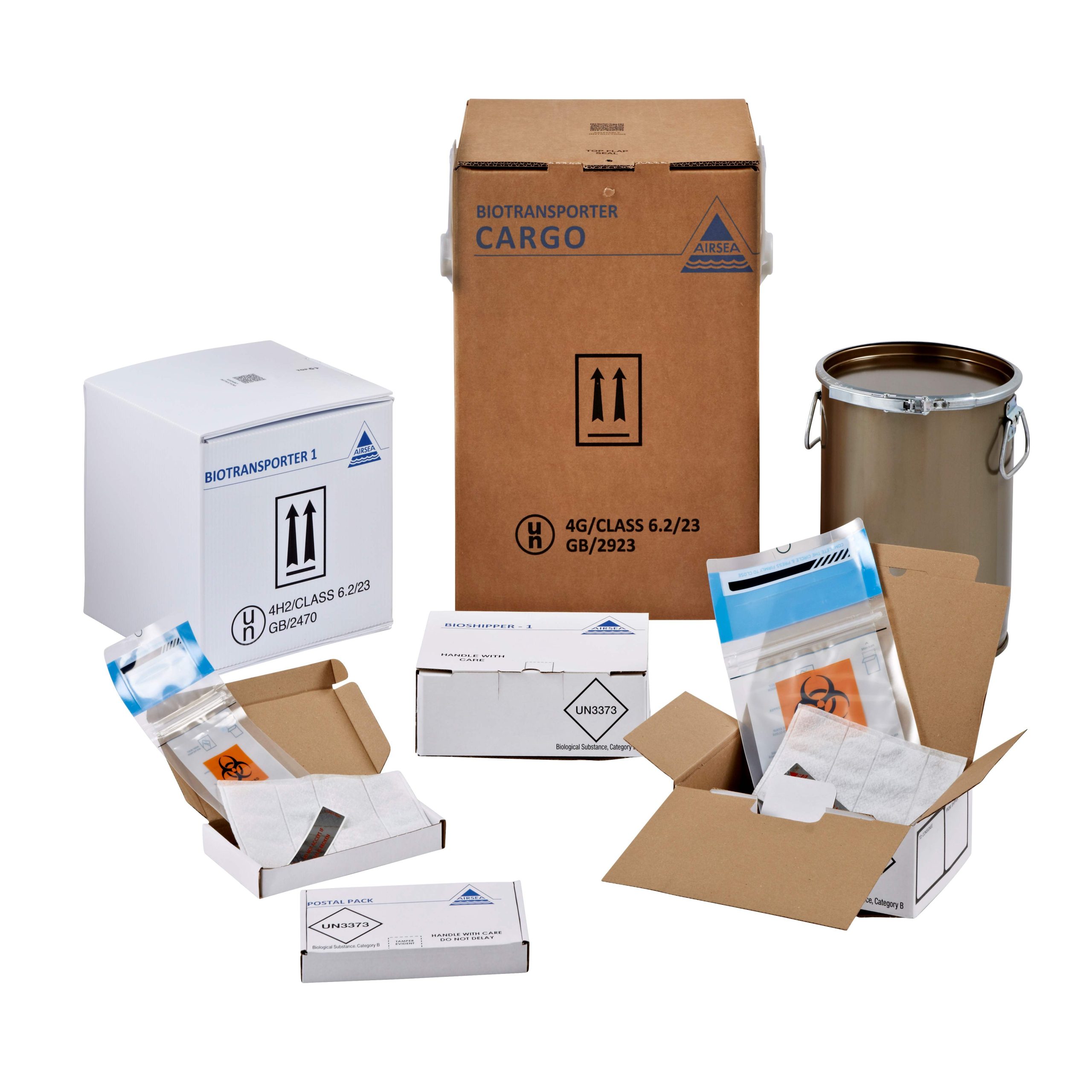
Our corrosive packaging range includes options such as 4G, 4GV and 4DV fibreboard packaging. Single packaging includes plastic jerricans and drums, steel drums and jerricans, and composite packaging.
Always check the applicable dangerous goods regulations and packing instruction before selecting packaging.
If you are unsure which packaging is suitable for your corrosive substance, our technical team can help identify suitable options. Our how to choose the right packaging for corrosive substance article has also been designed to explain packaging choices.