UK
























What is Packaging Material Testing?
Packaging material testing will verify that the materials used in packaging meet all of the specifications and perform consistently across production runs. This process will ensure that all components used in UN approved packaging are identical to those originally tested and also certified.
Material testing confirms the physical and mechanical properties of packaging. This is to ensure it maintains strength, durability and compliance with transport regulations.
Packaging Material Testing for UN Approved Packaging
For UN approved packaging, material testing is a specific part of the verification process. We ensure that each packaging type demonstrates that the materials used match those specified during initial UN performance testing. This includes confirming the material grade, thickness, weight and also construction details to ensure that the packaging consistently meets UN requirements throughout its lifecycle.
Types of Packaging Materials We Test
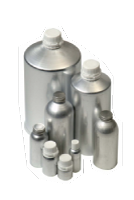
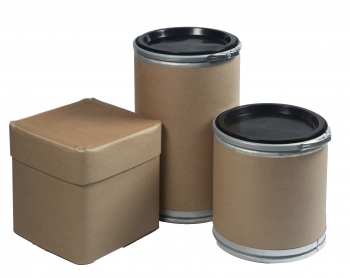
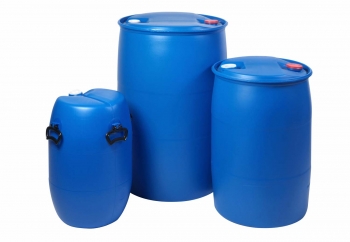
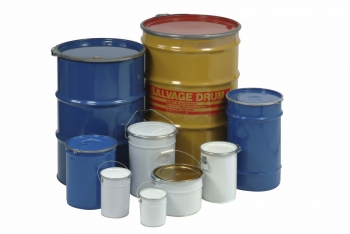
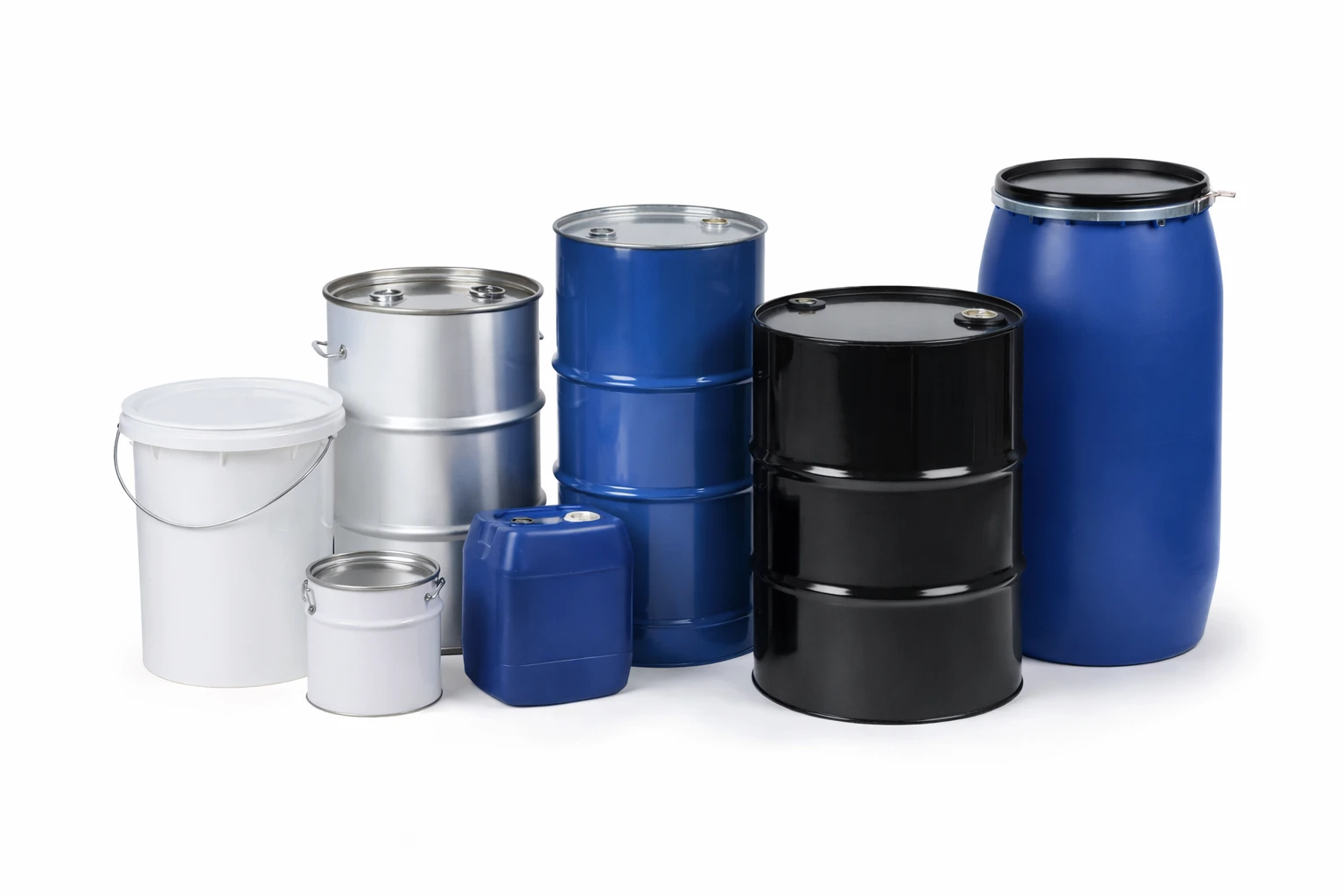
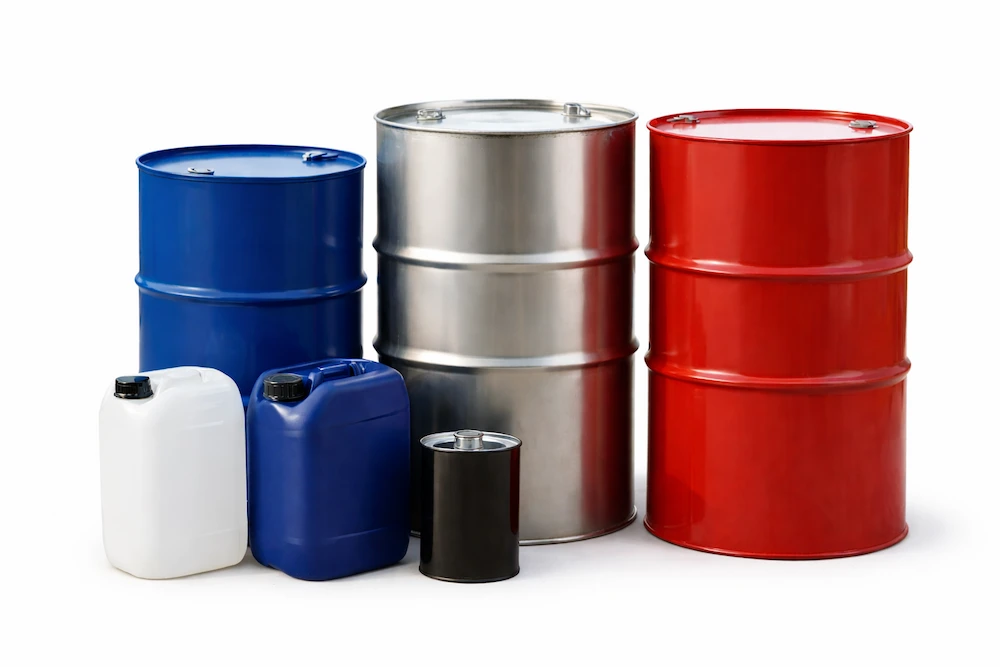
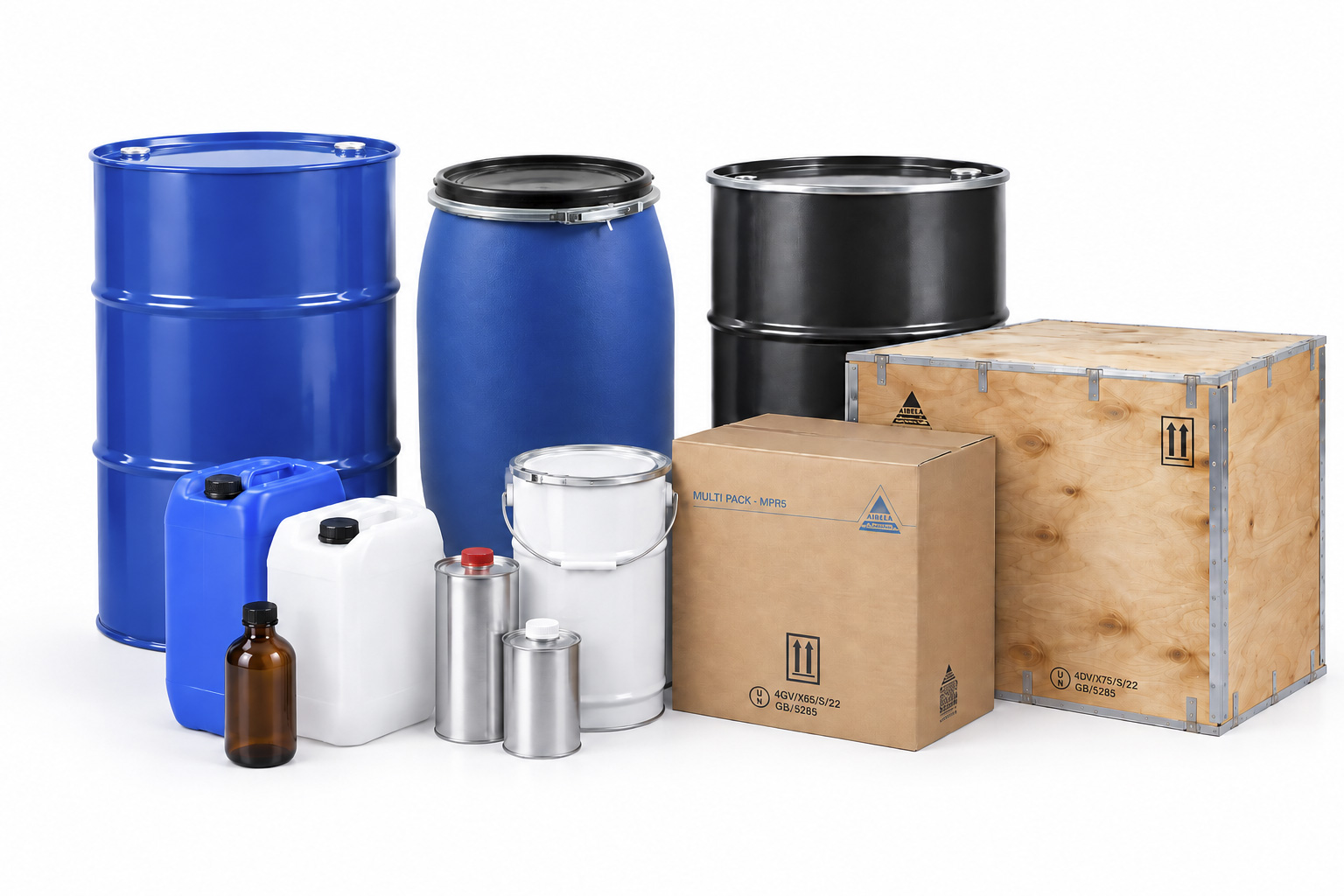
A wide range of materials are subject to testing depending on packaging type. This can include fiberboard, plastics, composite materials and also steel.
Each material is assessed according to its specific properties and also performance requirements to ensure it’s suitable for transporting dangerous goods.
Material Specification Checks
Ensures consistency in packaging quality and compliance.
To verify compliance and ensure repeatability, each packaging system undergoes material and design verification. These assessments confirm that every future production run matches the approved sample exactly.
Key Requirements
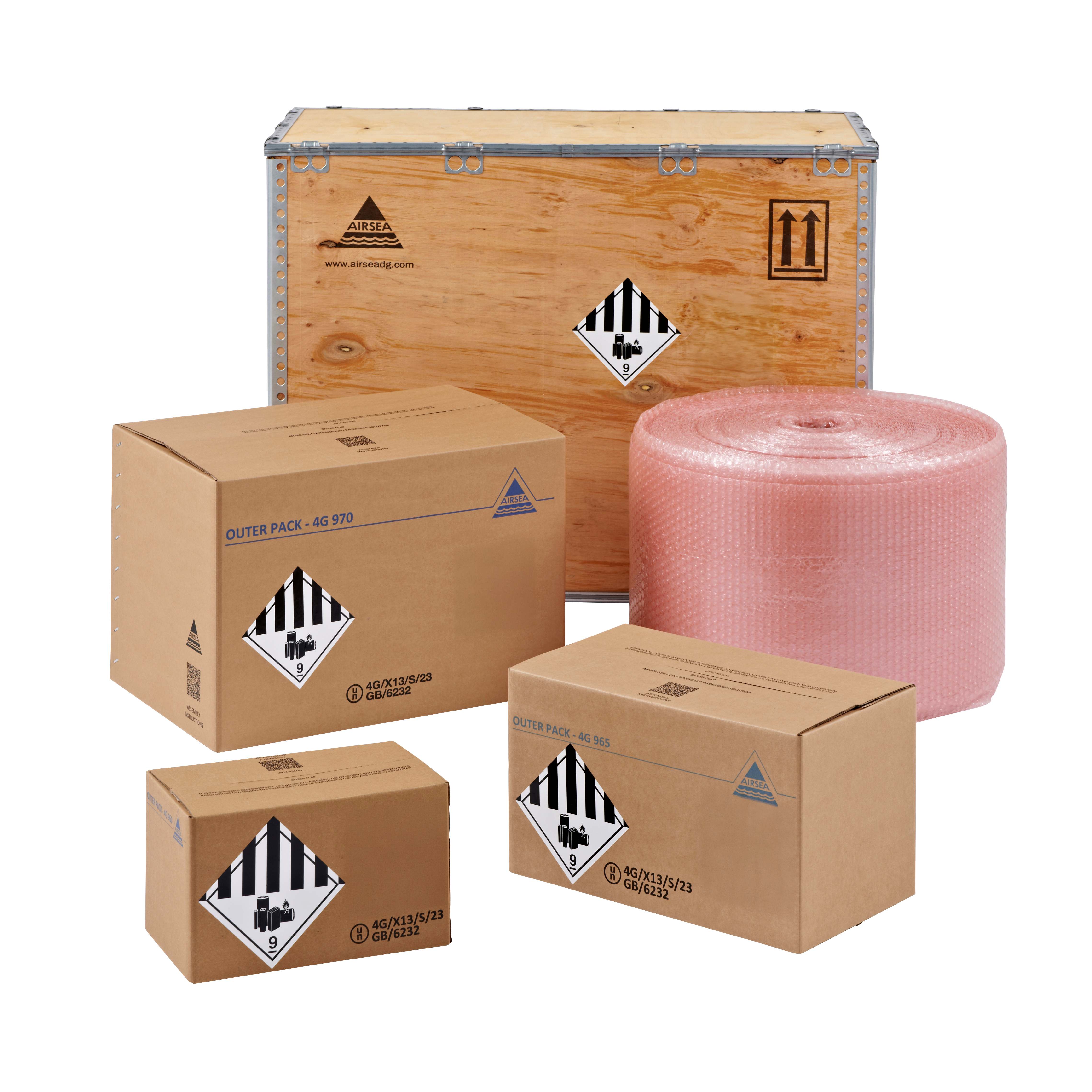
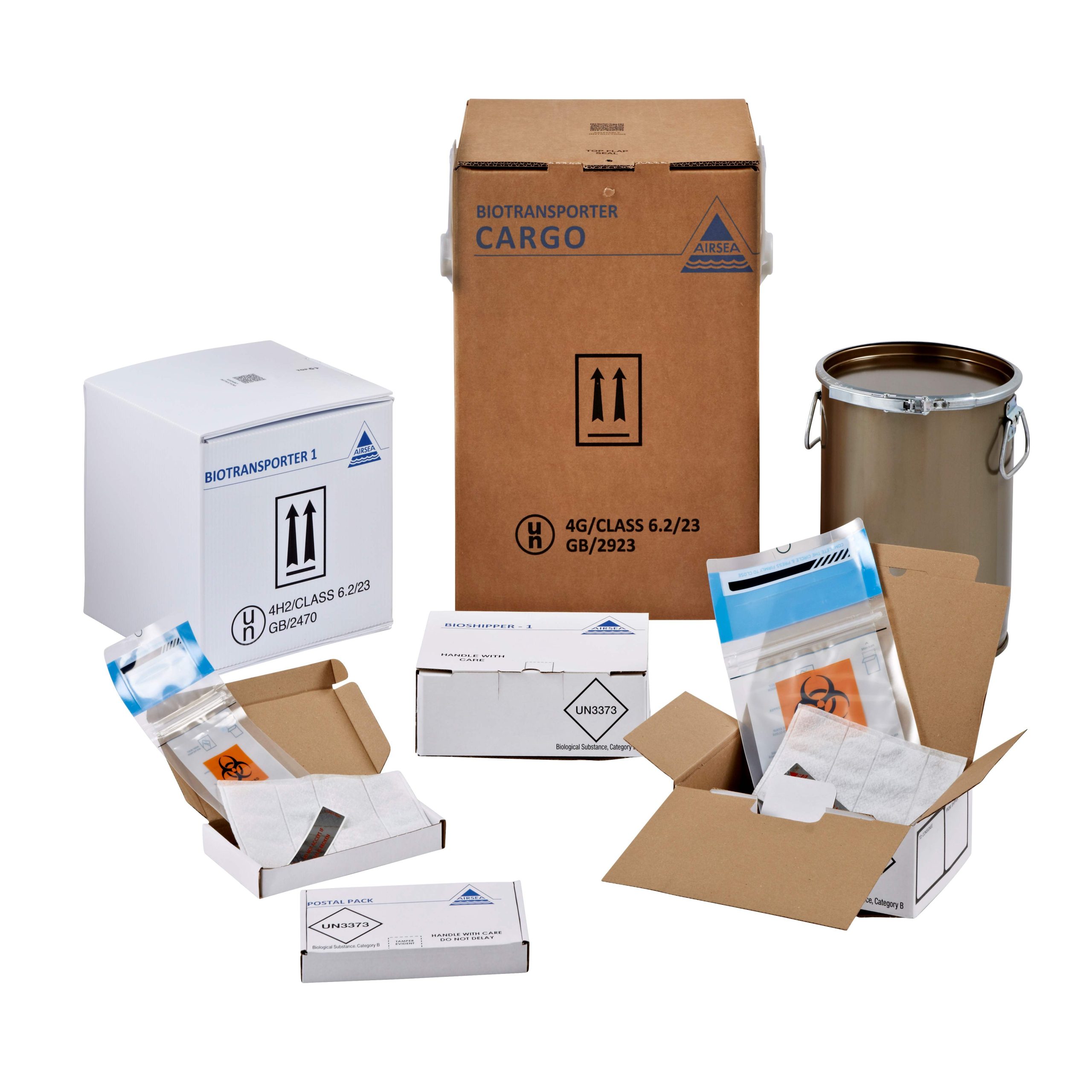
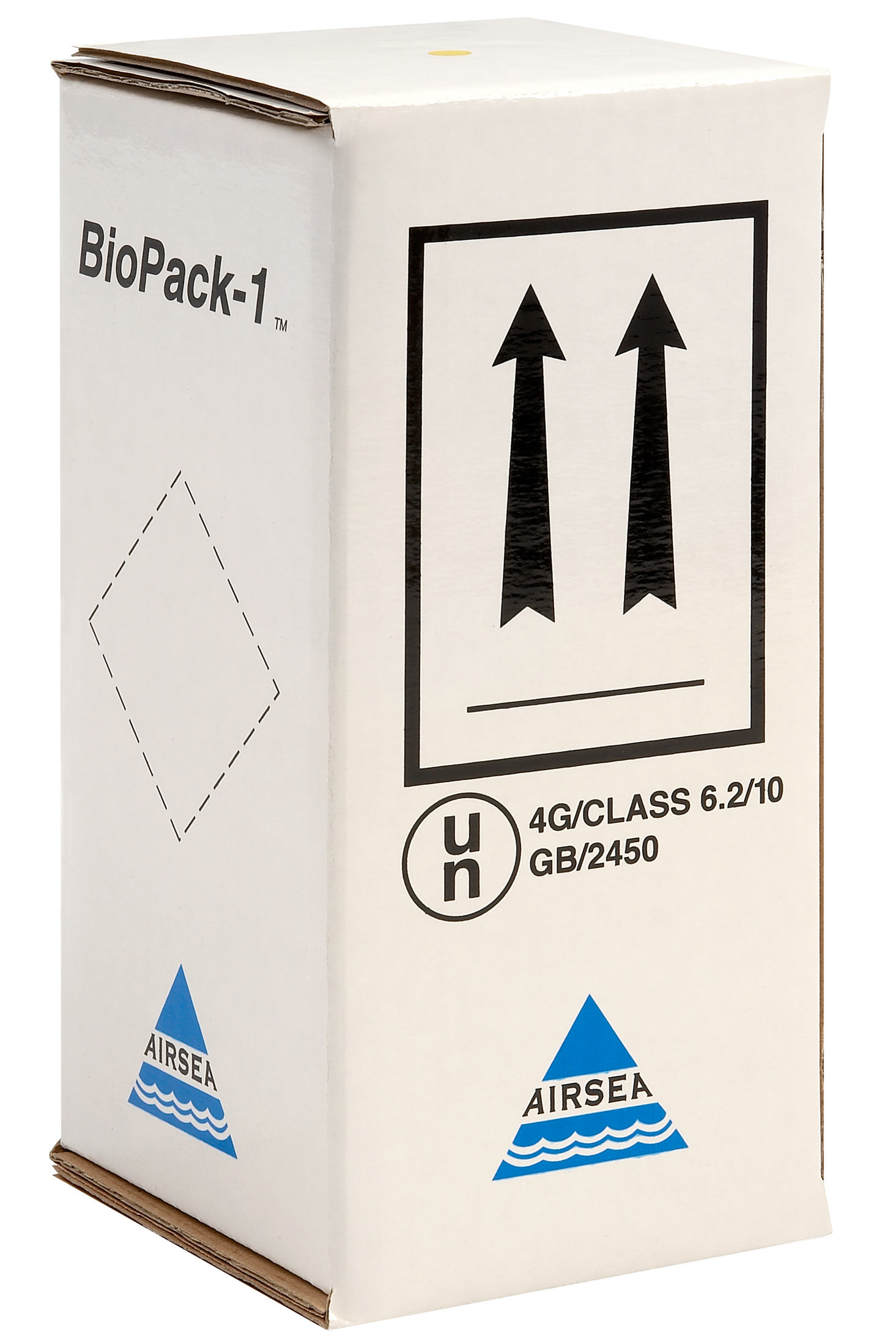
Typical inspection for boxes includes and records the specifications of:
- Wall thickness and material grade
 Fluting
- Grammage
- Dimensions and tolerances
- Closure systems (caps, seals, tape, fasteners)
- Moulding consistency and performance attributes
This ensures all future production runs replicate the packaging that passed the original UN testing.
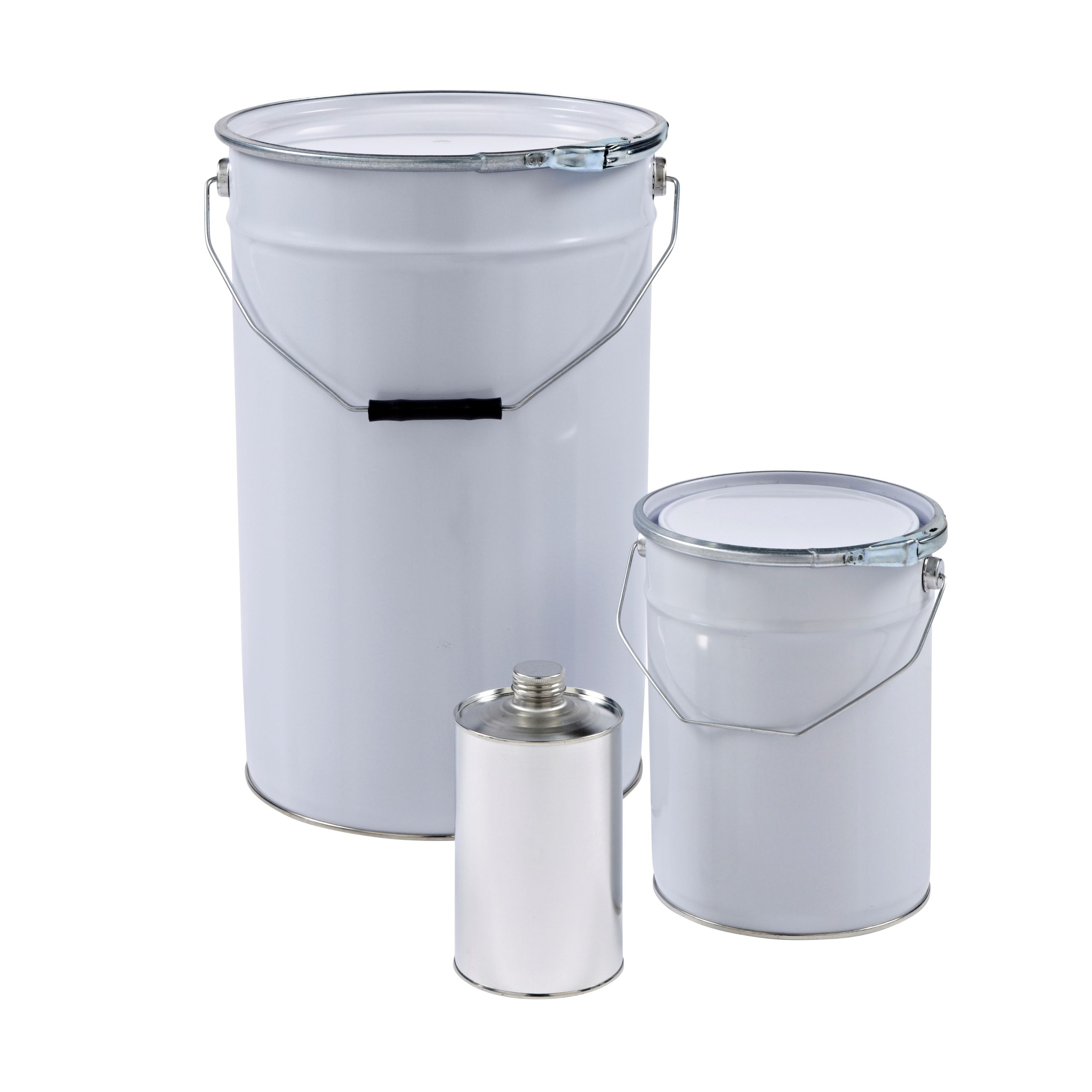
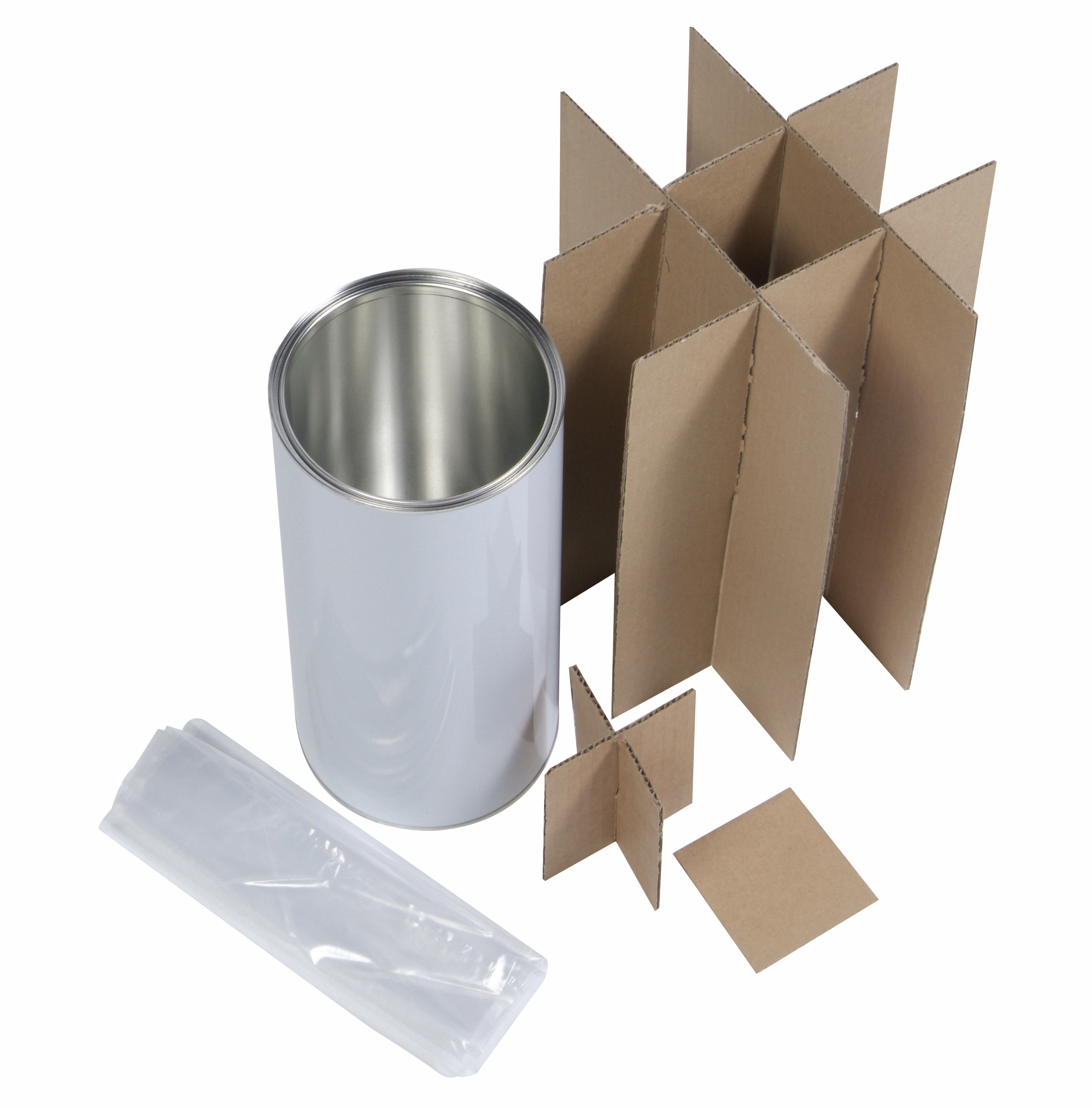
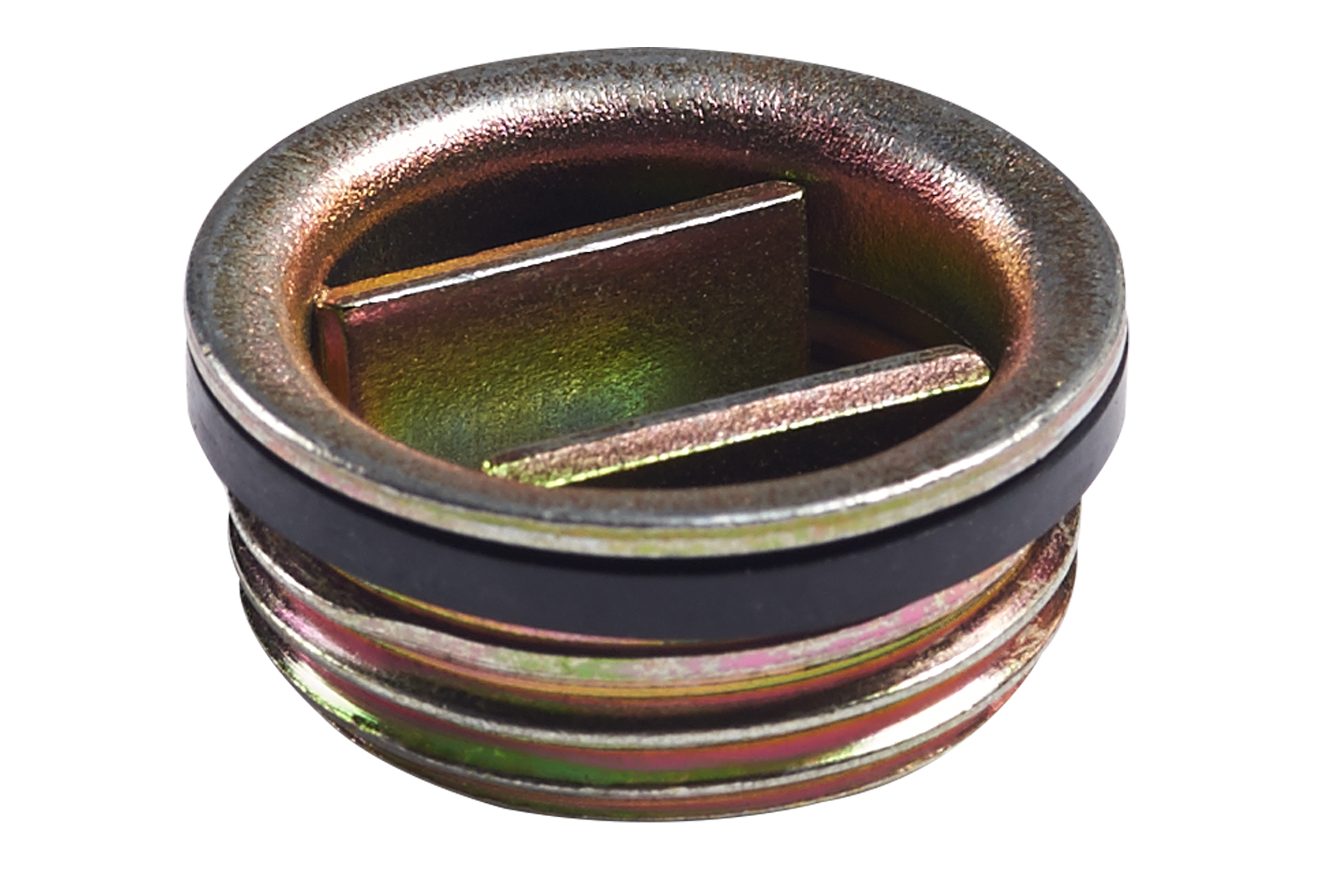
In the case of steel and fibre drums, drum and closures are all inspected, and their specifications are recorded to ensure that each production run uses the exact same materials and specifications to create the UN approved packaging. This is to ensure the final packaging product is made to the exact specification which passed the UN Testing process resulting in UN approved packaging.
Typical specification checks include material composition, lacquered or plain, material thickness, material weight, dimensions, closures spec/seals, weld specification and capacity.
Why Packaging Material Testing Services are Important
Professional testing services will provide you with accurate verification of material specifications as controlled methods and equipment are used. This is so reliable that results can be provided in line with regulatory compliance.
Packaging material testing also ensures safety in dangerous goods transport, as variations in material quality or specs can impact the packaging performance and lead to failure during transit. By verifying material properties and construction, it can be ensured that each production run meets the exact same standards as the originally tested design. This reduces risk and ensures you remain compliant.
Working with an experienced test laboratory also helps make the certification process simple and provides confidence in the performance of your packaging solutions.
Reach Out About Package Material Testing Today
UN performance testing is a critical step in ensuring your dangerous goods are transported safely and in line with UN DG transport regulations. At Air Sea Containers, we simplify the process and provide you with expert support every step of the way, with material packaging testing included as part of our wider testing process.
We make material packaging testing simple. Contact our team today for help with UN testing, certification or revalidation of your plastic packaging systems.