UK
UK












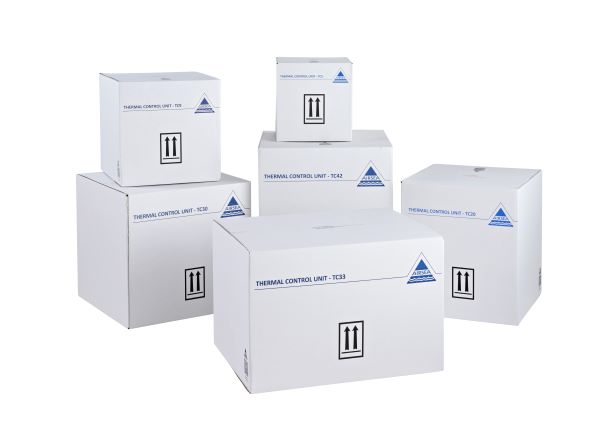

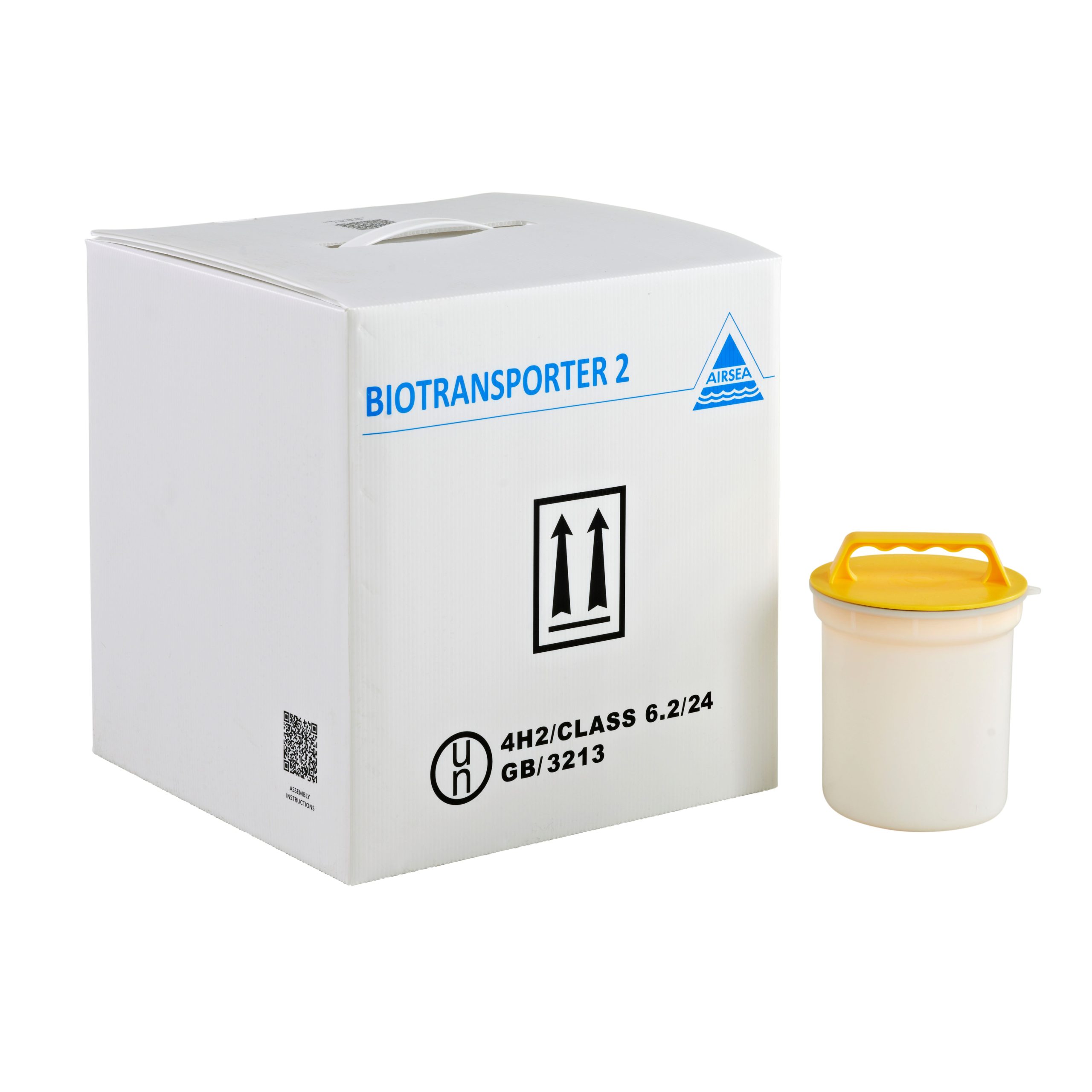





What Is a Stacking Test for Packaging?
A stacking test for packaging will assess how well the packaging performs when subjected to compressive forces over time. This essentially simulates the conditions experienced during storage and transport when packages are stacked on top of one another.
Why Are Stacking Tests Important?
They’re essential for verifying whether packaging can sustain certain conditions that can be found during the transportation process.
During transporting and warehousing, packages can be stacked for extended periods, which places pressure on the lower units, so without adequate stacking strength, the packaging may collapse, leak or break. Conducting stacking tests for packaging prior can help spot any potential weaknesses early so that the design can be adapted to ensure it’s compliant.
Why Use a Stacking Test for Packaging Service?
Stacking tests provide an accurate and reliable result. We use calibrated equipment within controlled conditions, which ensures the packaging is thoroughly tested in accordance with regulatory requirements.
Our test laboratory also provides access to technical expertise, which helps with identifying any issues or potential problems that can be avoided to improve packaging performance.
Typical Stack Testing Requirements
Typical fibreboard box stacking tests are explained below, however for specific stack testing requirements for your product type please get in touch for further details.
Key Requirements
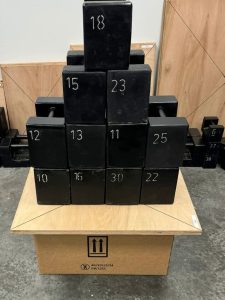
The stack test is performed using a predetermined load, calculated based on the package’s height, weight, and any inter-stacking features, to simulate the pressure exerted by a 3-metre-high stack.
The test is performed on 3 packaging samples and includes:
- Load: Equivalent to the total weight of identical packages in a 3m high stack. 4G test samples are tested as a complete package (with inners and cushioning), whilst 4GV test samples are tested while empty. The total mass of identical 4GV packaging’s shall be based on the combined mass of the inner packaging’s used for the drop test.
- Duration: 24 hours
- Conditioning: At least 24 hours at controlled temperature and humidity; for plastic inners, contents cooled to -18°C or lower.
- Pass Criteria: No leakage, structural failure, or distortion affecting safety
These rigorous drop tests are an essential part of our commitment to safe and compliant packaging solutions. By replicating real-world drops and handling risks, we can ensure every item that leaves our facility can be trusted to protect its contents.
Which Packaging Types Need Stacking Tests?
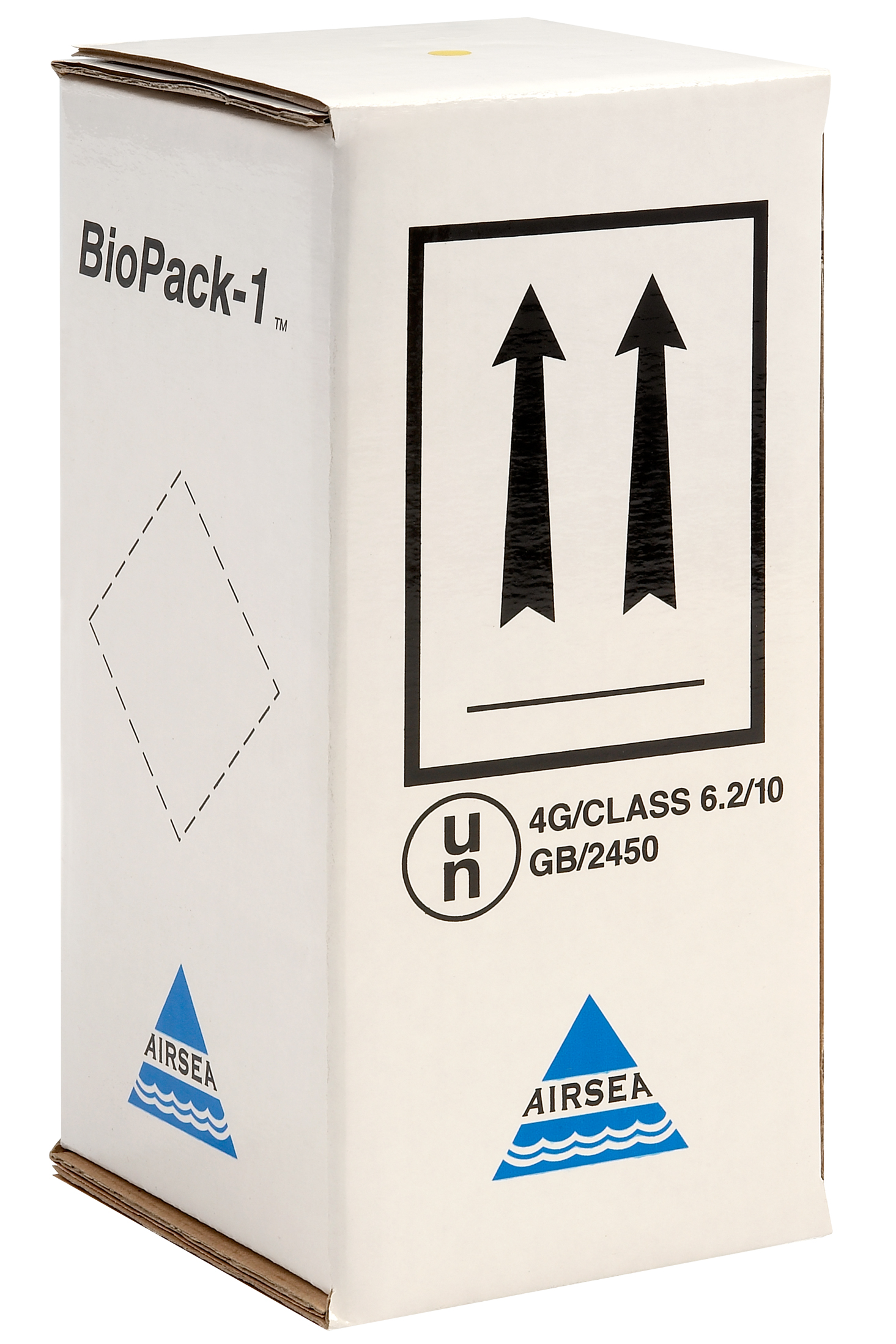
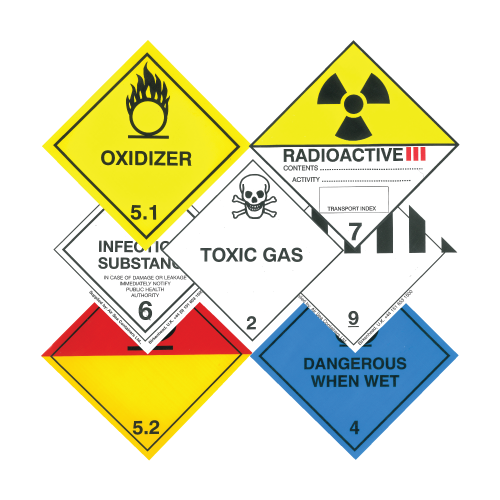
A stacking test for packages is required for a wide range of packaging used in the transport of dangerous goods.
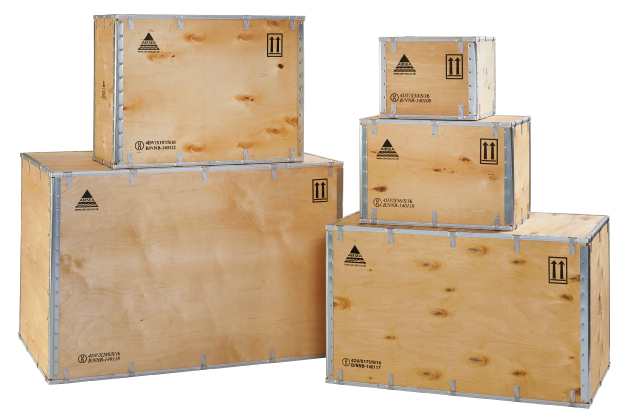
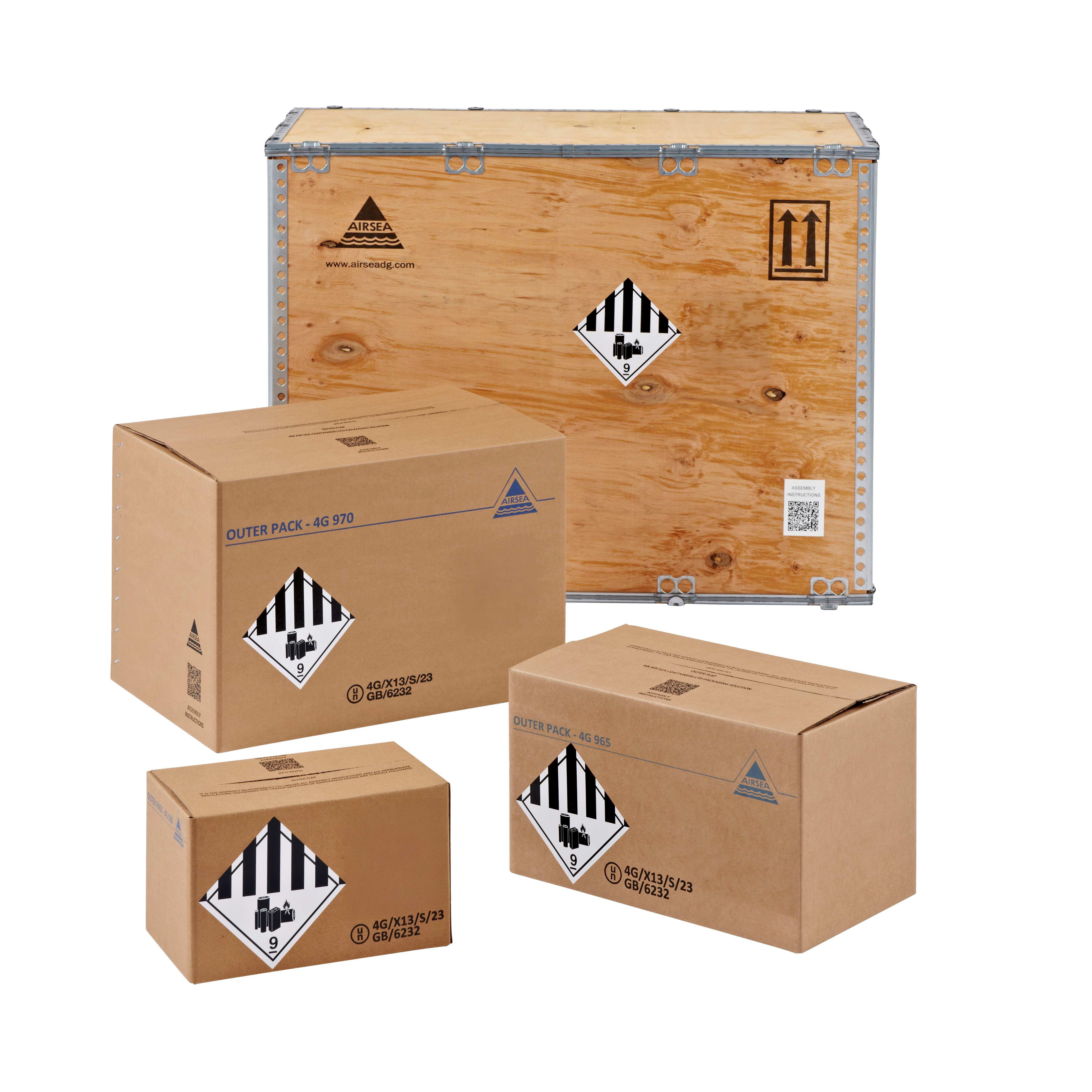
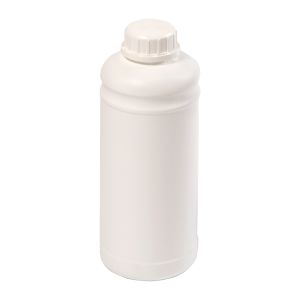
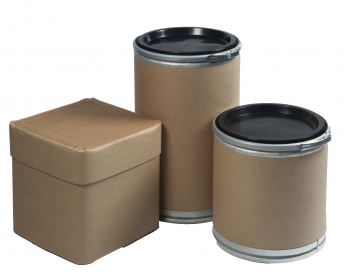
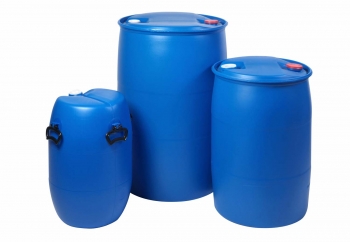
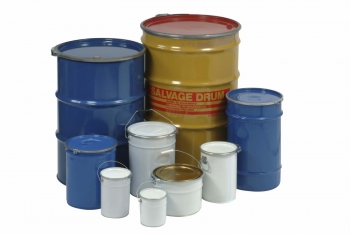
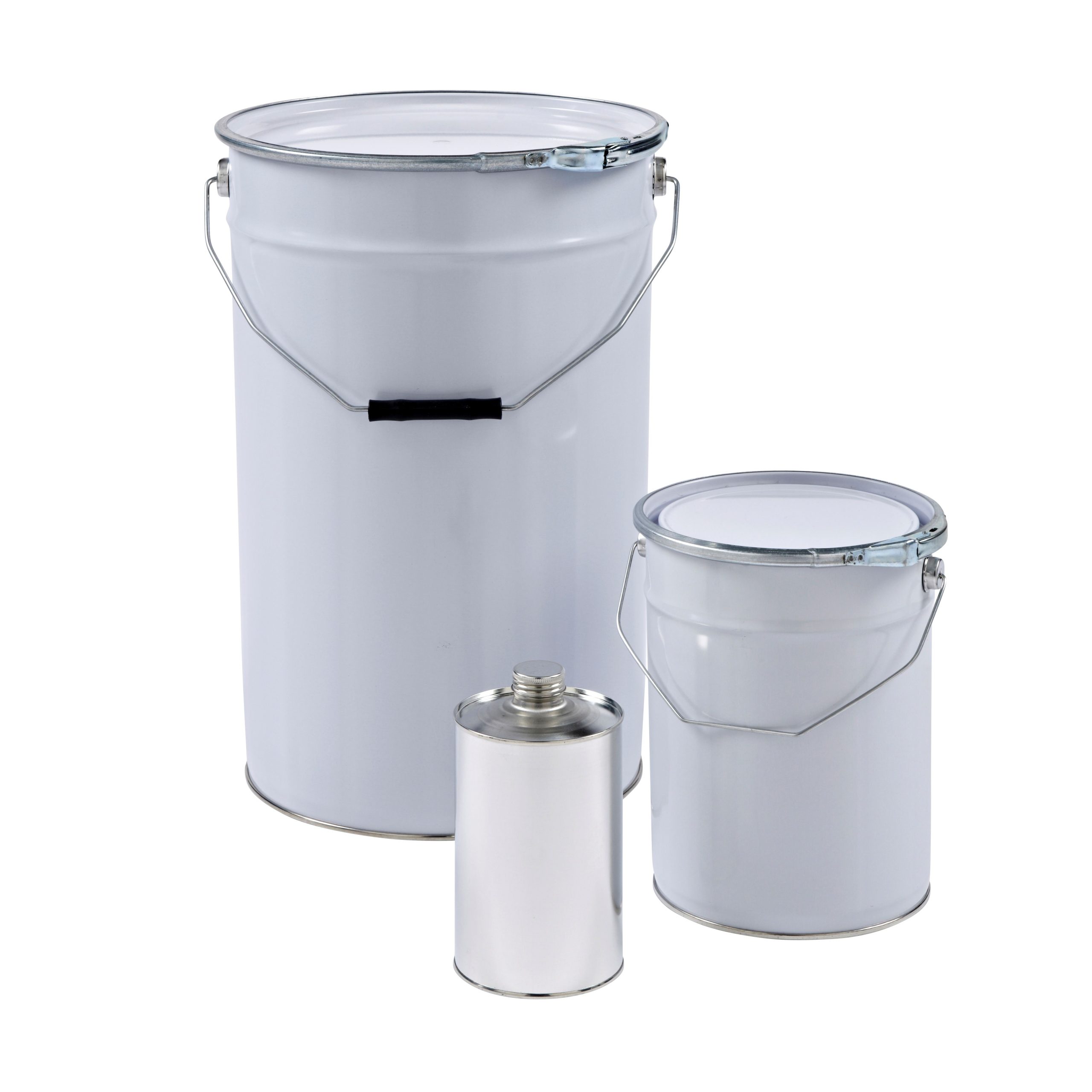
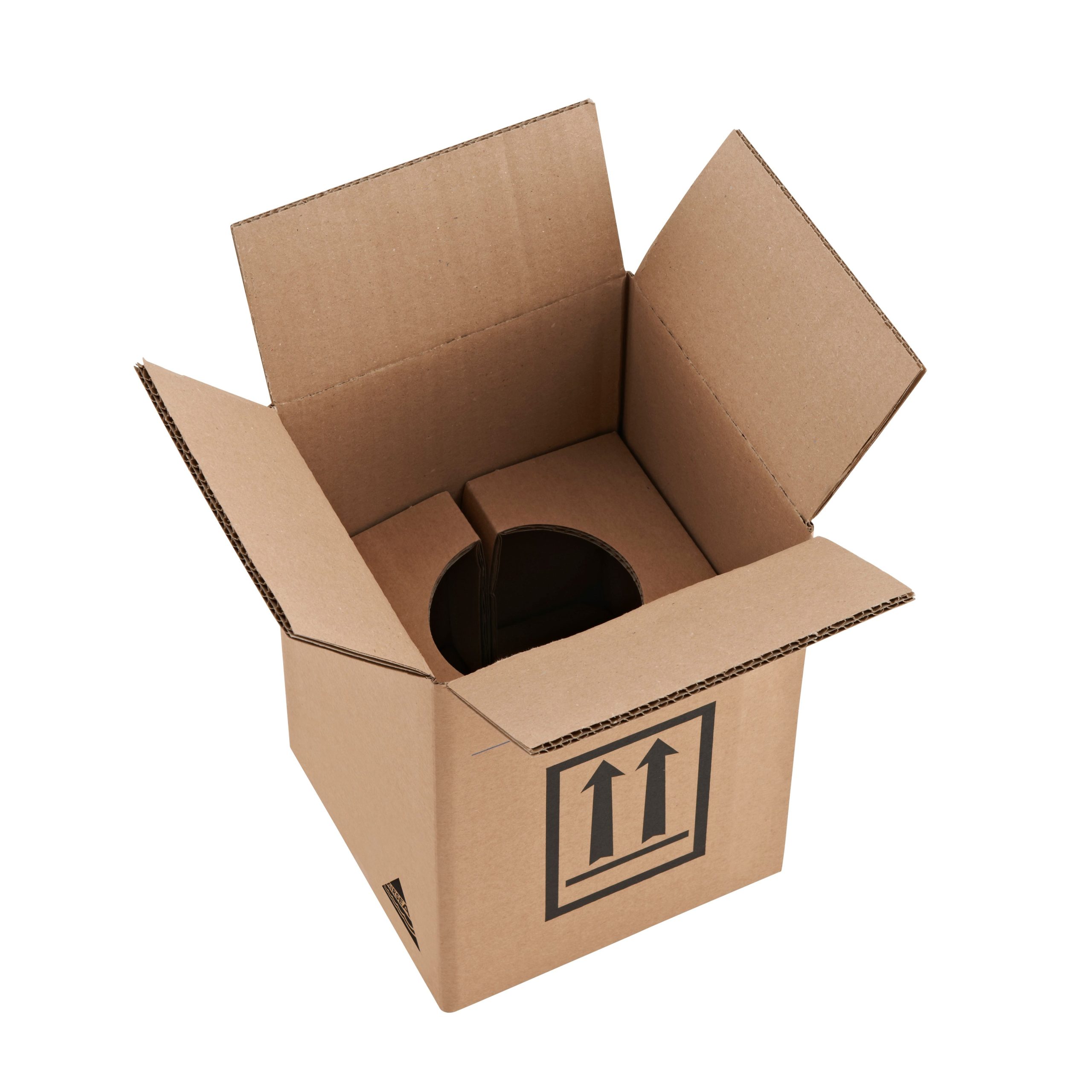
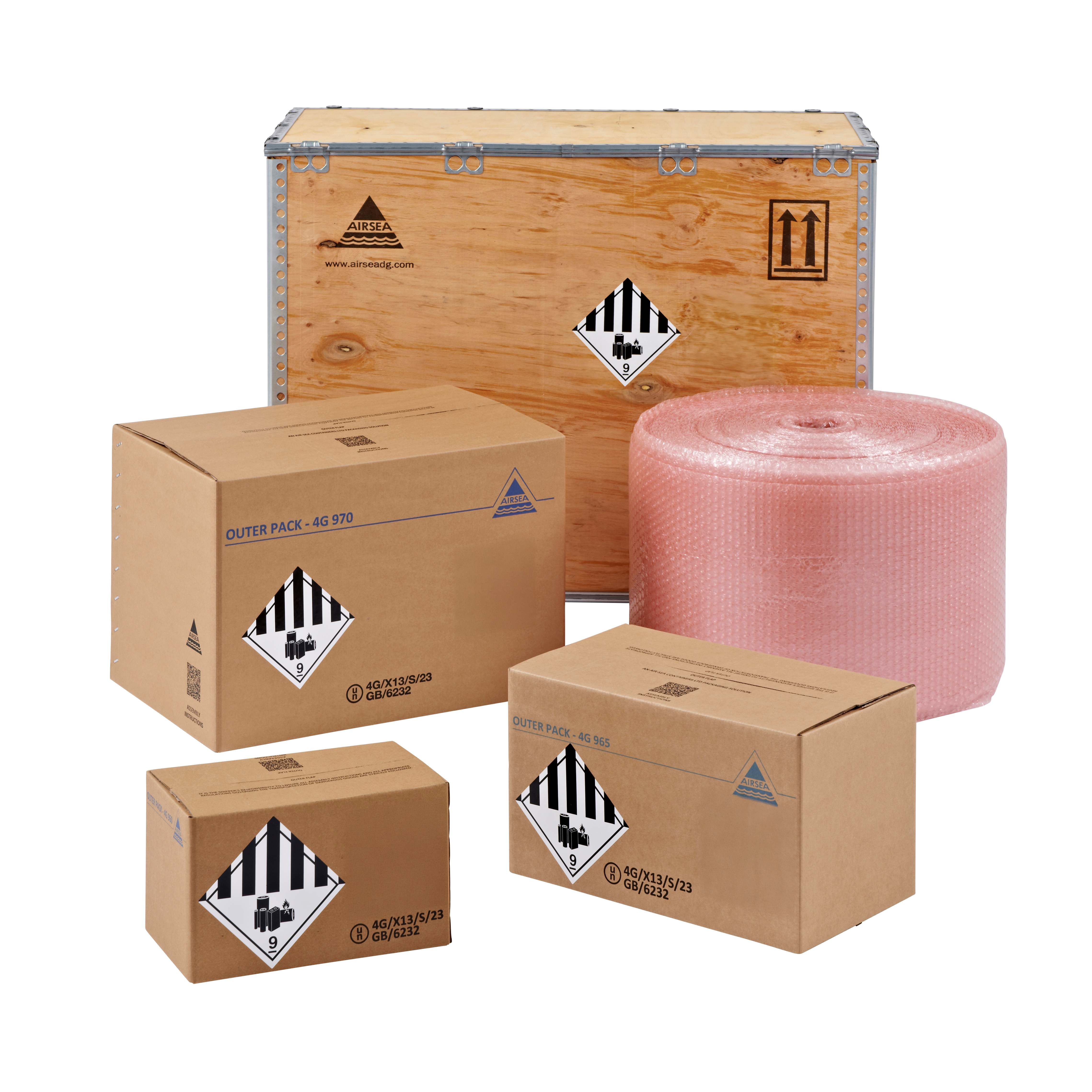
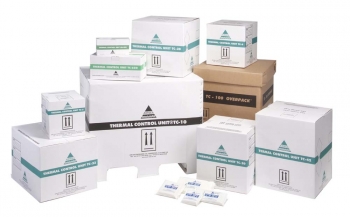
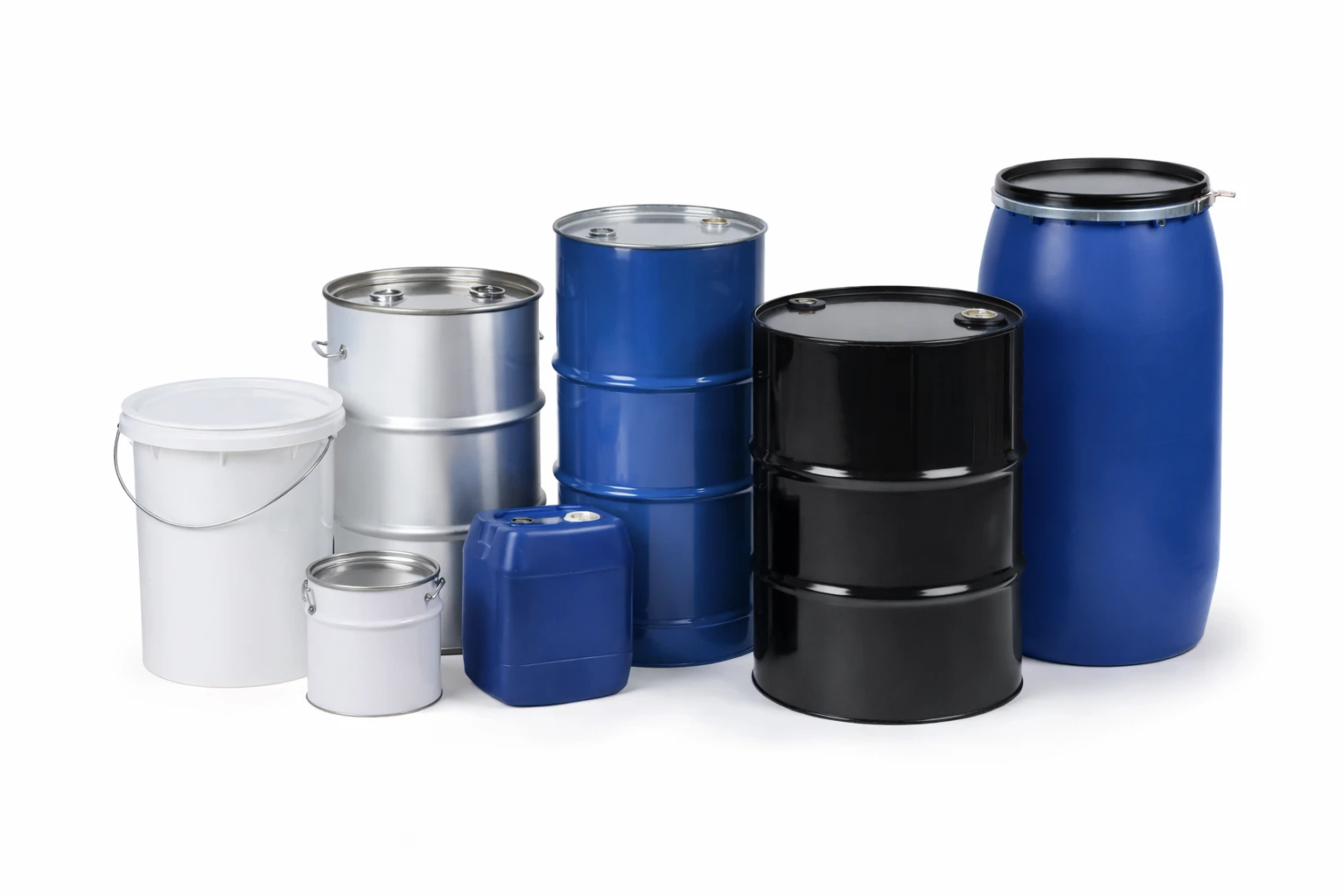
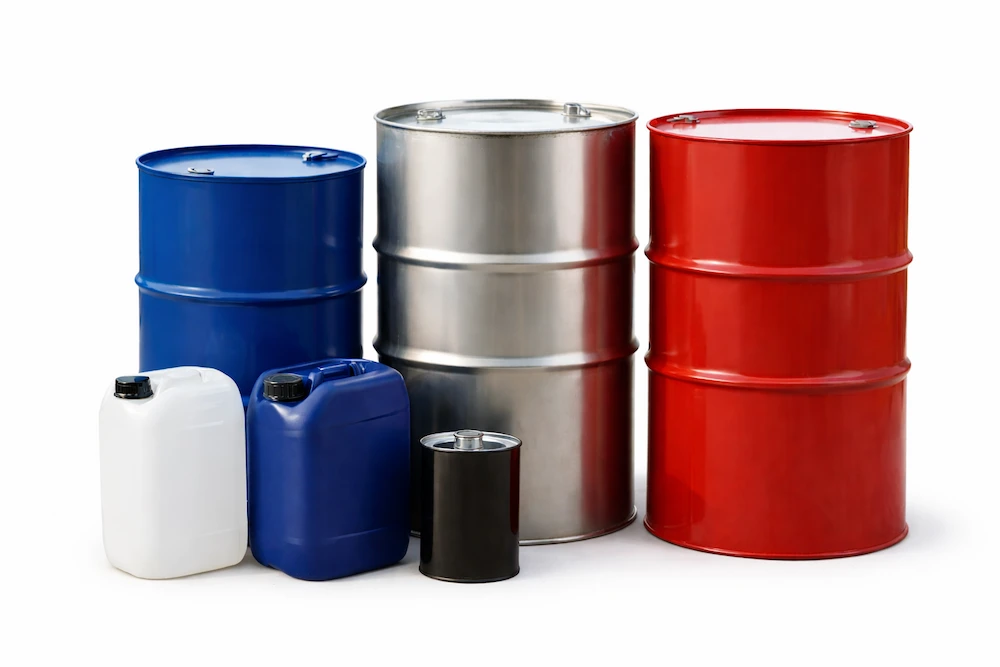
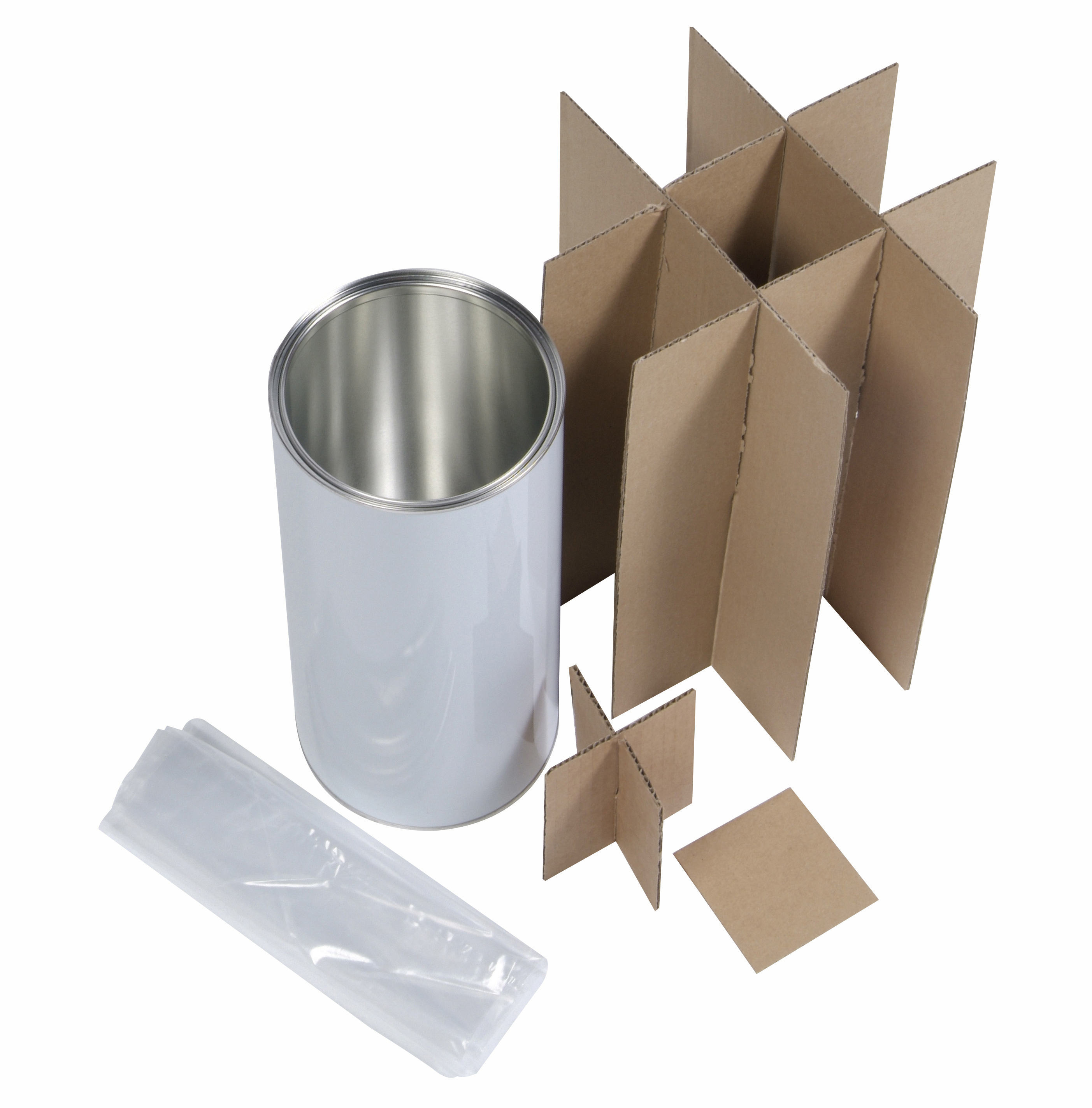
For example, this includes fibreboard boxes, plastic drums, jerricans and also combination packaging.
The specific requirements may vary depending on the packaging material and design. The classification of the goods being transported is also important. If you’re not sure, the team will provide you with guidance.
Enquire About a Stacking Test for Packaging Today
At Air Sea Containers, we can test your packaging to prove its capability for transporting dangerous goods. Contact us today for expert support with UN packaging tests, capability testing or revalidation.